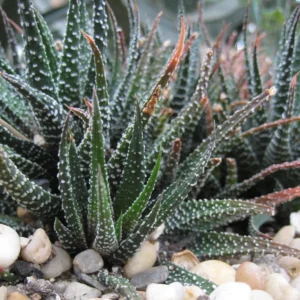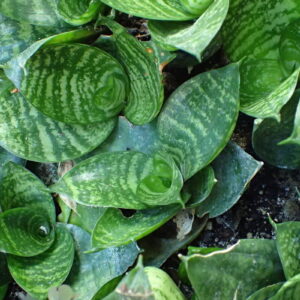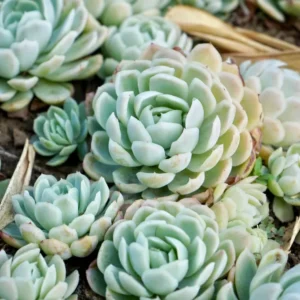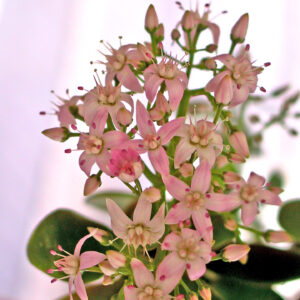
Aloe vera, also called Barbados aloe, is a succulent grown for its sculptural rosette of fleshy leaves. In Brazil it is widely known as babosa. It can be an attractive container plant without being treated as a home pharmacy: growing it and using it for health purposes are very different decisions.
Getting to know the plant
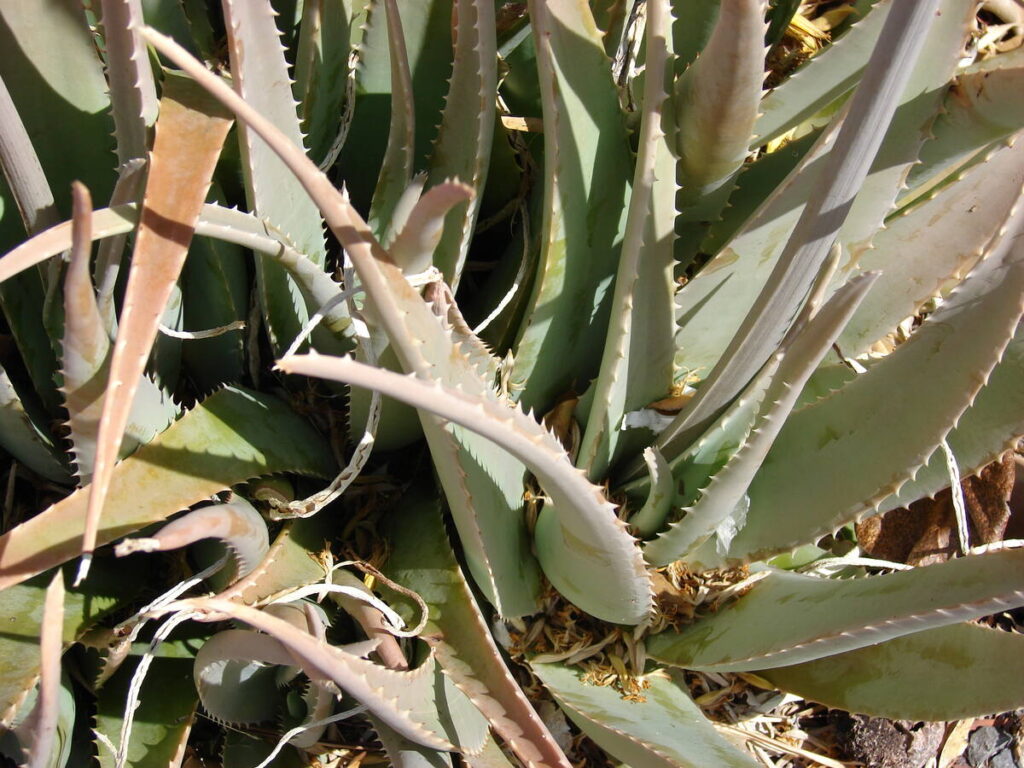
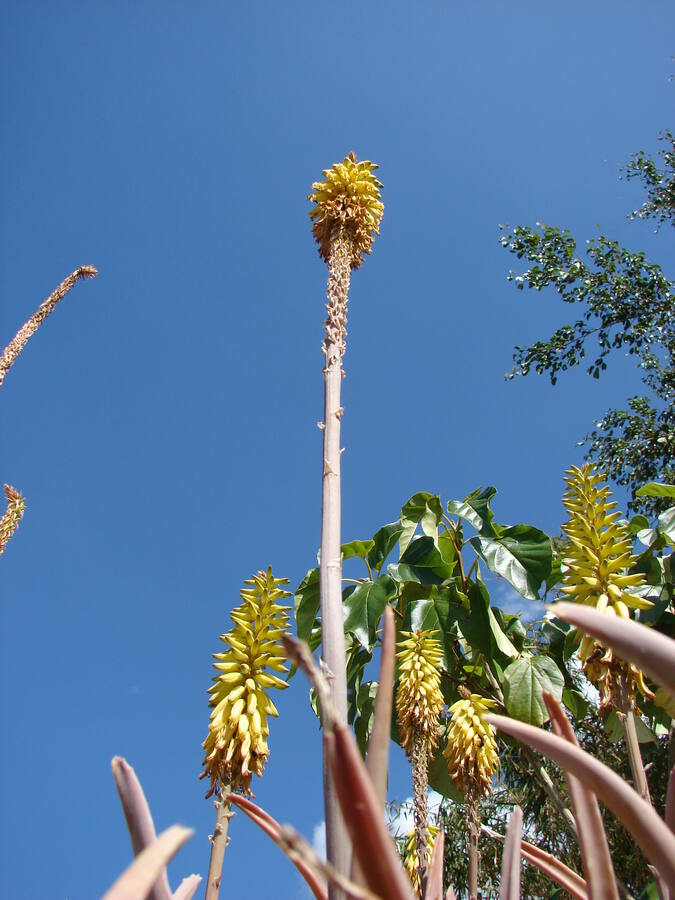
This member of the Asphodelaceae family has tapering leaves with small teeth along their edges. Mature plants can produce tall stalks of tubular flowers and may flower more than once during their lives. Flowering indoors is less common. Other aloes can look similar, so do not assume that every succulent sold as “aloe” is this species.
Light, soil and watering
Choose a bright position and a free-draining growing medium. A cactus and succulent potting mix is a practical starting point. The pot needs drainage holes; water must not collect in a saucer or decorative outer container. Outdoors, protect the plant from freezing conditions.
Let the growing medium dry between waterings, then water thoroughly and allow the excess to escape. There is no useful universal “twice a week” schedule: a cool room, a small sunny balcony and a large outdoor pot dry at different rates. Reduce watering when growth slows in cooler weather.
If moving an indoor aloe into stronger outdoor light, introduce that change gradually to avoid sunburn. Repot when it needs fresh medium or more root space, rather than placing a small plant straight into an oversized container that stays wet.
Making new plants and spotting trouble
The most straightforward way to multiply an established aloe is to separate its offsets, the small plants growing around its base. Lift the clump carefully and detach an offset with roots of its own where possible. Plant it in a suitably sized pot with a well-drained mix. Seed propagation is another option, but offsets are usually more convenient for home growers.
Check the leaf bases for mealybugs and scale insects. Aloe is not immune to pests, and persistent wetness can rot the roots. Before adding fertiliser to a struggling plant, check its drainage, light and watering conditions.
Skin care is not the same as eating the leaf
The clear inner gel, yellowish latex and whole-leaf extracts differ in composition. Research on one preparation does not establish that a homemade juice or freshly cut leaf has the same benefits or safety.
According to NCCIH, topical gel is generally well tolerated, although burning, itching and rashes can occur. Small studies of acne have used aloe with other treatments; this is not evidence of a miracle remedy. Use products for their labelled purpose and seek professional advice for burns, wounds or persistent skin problems.
Do not use garden leaves for homemade drinks or self-medication. Oral latex can cause cramps and diarrhoea, and leaf extracts have been linked to hepatitis. Oral use may be unsafe in pregnancy and breastfeeding and can interact with medicines. Keep the plant out of reach of pets that chew foliage. Its ornamental value does not depend on consuming it.
References
NC State Extension: Aloe vera; RHS: species profile; RHS: propagating offsets; UF/IFAS: growing aloe; NCCIH: evidence and safety.
Cover photo: Forest & Kim Starr, CC BY 3.0; resized.