The Swiss cheese plant is more than a familiar leaf on cushions and posters. Monstera deliciosa is a vigorous climber that can become a substantial houseplant. Giving it suitable light, drainage and support is more useful than following a rigid watering calendar. It also needs a safe position away from children and pets.
Understand the plant before choosing a spot
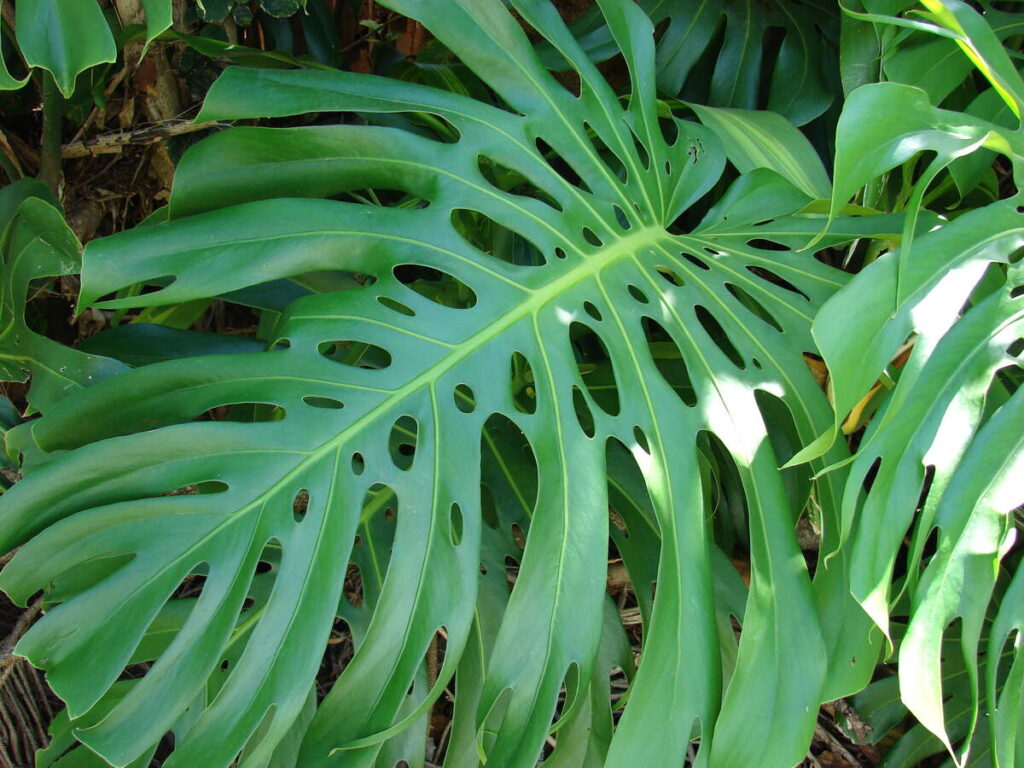
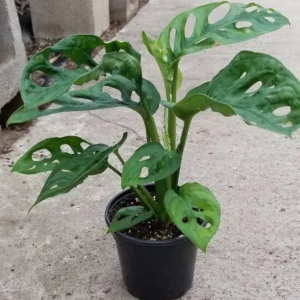
NParks places its native range in southern Mexico and Central America. Its aerial roots help it climb, and mature leaves develop deep divisions and perforations. It belongs to Araceae. Common names are shared with other monsteras, so check the scientific name rather than treating every perforated leaf as the same species.
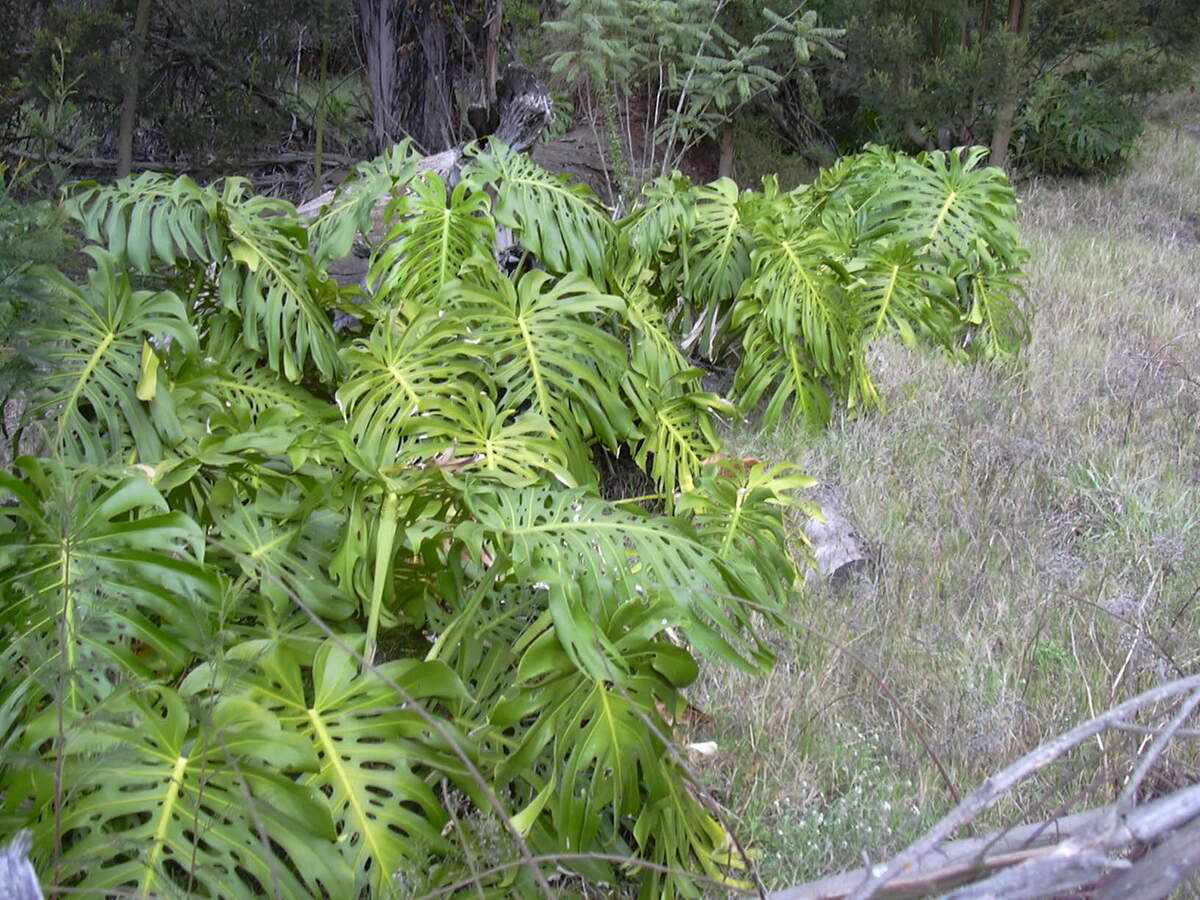
A small nursery plant can eventually need considerable room. Before buying, imagine the mature leaves beside your furniture and the route you will use to move the pot. Plan the support and location together rather than improvising after the stems begin leaning into a walkway.
The RHS recommends bright indirect light and warns that direct sun can scorch foliage. Young plants naturally have less divided leaves; fewer holes alone do not diagnose a lighting problem. Compare new growth over time instead of moving a plant into harsh sun to force mature-looking leaves.
Choose a stable pot with drainage, only moderately larger than the rootball. A very oversized container can retain excess moisture. Use a sturdy climbing support. These practical choices matter more than a decorative outer pot that hides water accumulating around the roots.
Water and feeding without a fixed timetable
University of Connecticut guidance allows the upper layer of potting mix to dry before watering and stresses good drainage. It also notes sensitivity to high fertilizer salts. Feed during active growth according to the product directions, rather than combining several fertilizers because the plant looks slow.
Use the condition of the mix, not the day of the week, to decide when to water. A bright, warm room and a cool, shaded corner do not dry at the same speed. If growth disappoints, review light and drainage before adding more water or fertilizer.
Propagation and routine checks
Stem cuttings need a node, the point from which roots and shoots can develop. UConn describes propagation from stem sections with aerial roots; a decorative leaf alone is not the same thing. Wear gloves, use clean tools and keep trimmings out of reach of animals.
Check stems and leaf undersides while caring for the plant. The RHS species profile lists scale insects and spider mites among possible pests. Identify a problem before choosing a treatment, and use only products labelled for the plant and setting. More product is not a substitute for a diagnosis.
Toxicity and the fruit: an important distinction
ASPCA lists Monstera deliciosa as toxic to dogs and cats because of insoluble calcium oxalates. Chewing it can cause mouth irritation, drooling, vomiting or trouble swallowing. Contact a veterinarian promptly after suspected ingestion; do not test whether a pet tolerates it.
Leaves, sap and unripe fruit require care. Fully ripe fruit has food uses, but Queensland’s poisons centre also reports possible hives. This is not a recommendation to taste a houseplant harvest. Seek urgent medical help for swelling or difficulty breathing or swallowing. Wear gloves and avoid sap contact with eyes.
Usamos cookies em nosso site para fornecer a melhor experiência de uso, lembrando suas preferências e visitas repetidas. Ao clicar em “Aceitar”, concorda com a utilização de TODOS os cookies.
Este site usa cookies para melhorar sua experiência enquanto você navega pelo site. Destes cookies, os cookies que são categorizados como necessários são armazenados no seu navegador, pois são essenciais para o

funcionamento das funcionalidades básicas do site. Também usamos cookies de terceiros que nos ajudam a analisar e entender como você usa este site. Esses cookies serão armazenados em seu navegador apenas com

o seu consentimento. Você também tem a opção de bloquear esses cookies. Porém, a desativação de alguns desses cookies pode afetar sua experiência de navegação.
Os cookies necessários são absolutamente essenciais para o funcionamento adequado do site. Esta categoria inclui apenas cookies que garantem funcionalidades básicas e recursos de segurança do site. Esses cookies não armazenam nenhuma informação pessoal.
Quaisquer cookies que possam não ser particularmente necessários para o funcionamento do site e sejam usados especificamente para coletar dados pessoais do usuário por meio de análises, anúncios e outros conteúdos incorporados são denominados cookies não necessários. É obrigatório obter o consentimento do usuário antes de executar esses cookies no seu site.