A pot of lavender brings scent, texture and flowers to a sunny corner. Yet success starts before the first watering: the plant sold simply as “lavender” may belong to one of several species with different sizes and cold tolerances.
This is a guide to ornamental lavenders, not a profile of one interchangeable plant. Check the botanical name on the nursery label rather than relying on “French”, “English” or “alfazema”, names that vary between places.
Three lavenders worth distinguishing
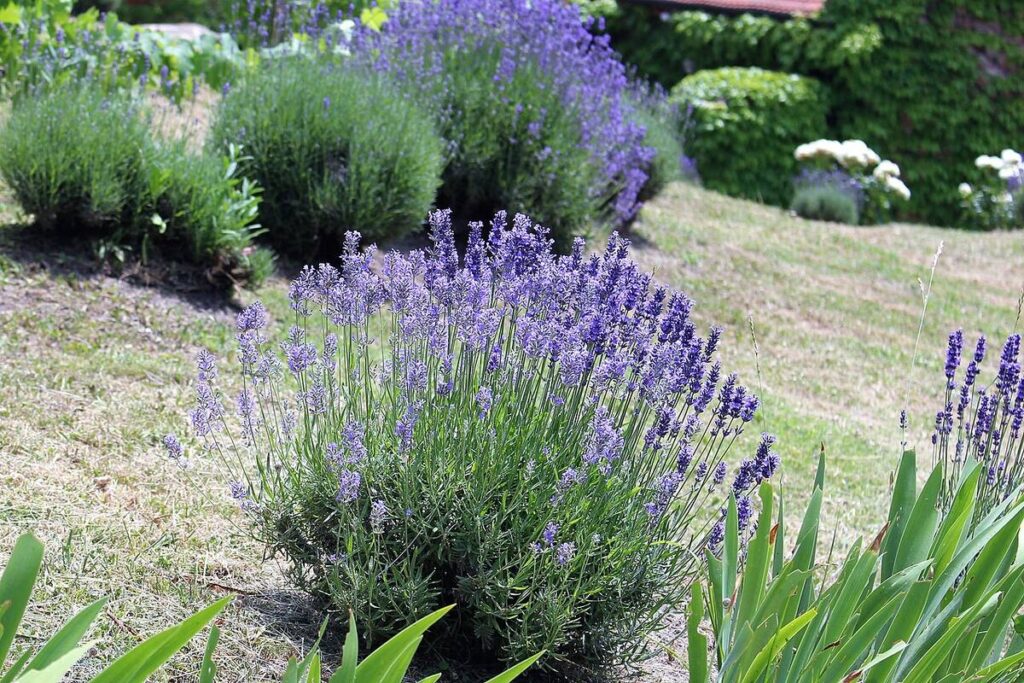
English lavender, Lavandula angustifolia: narrow aromatic leaves and flower spikes make it a familiar choice for borders. Its cultivars vary in size and flower colour. It generally tolerates more winter cold than the two species below.
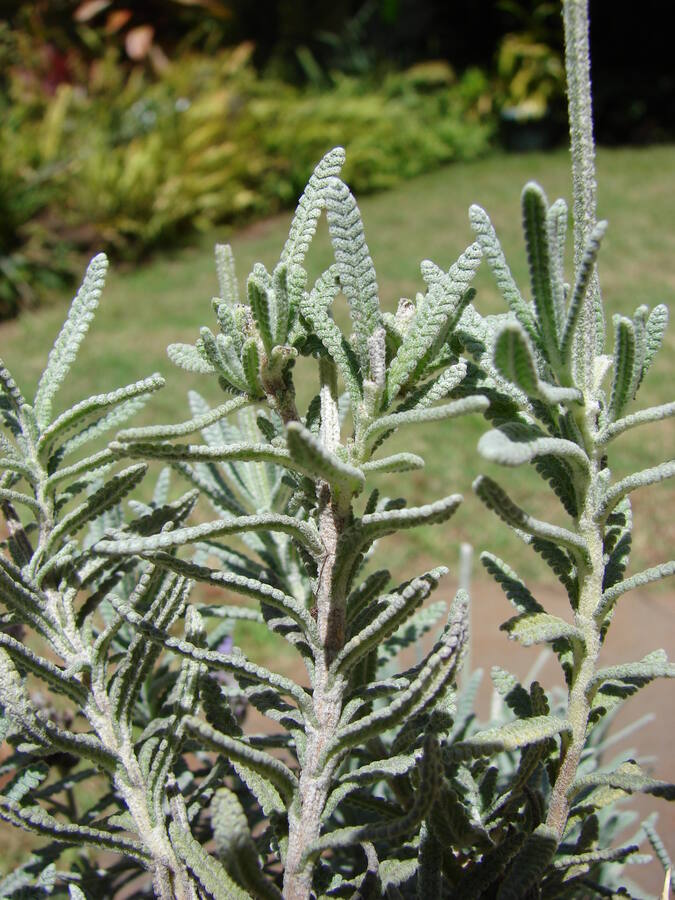
Toothed lavender, Lavandula dentata: the leaf edges have small teeth or lobes. It forms a spreading shrub and carries purple-blue flower spikes. Allow space around it rather than assuming all lavenders remain tiny.
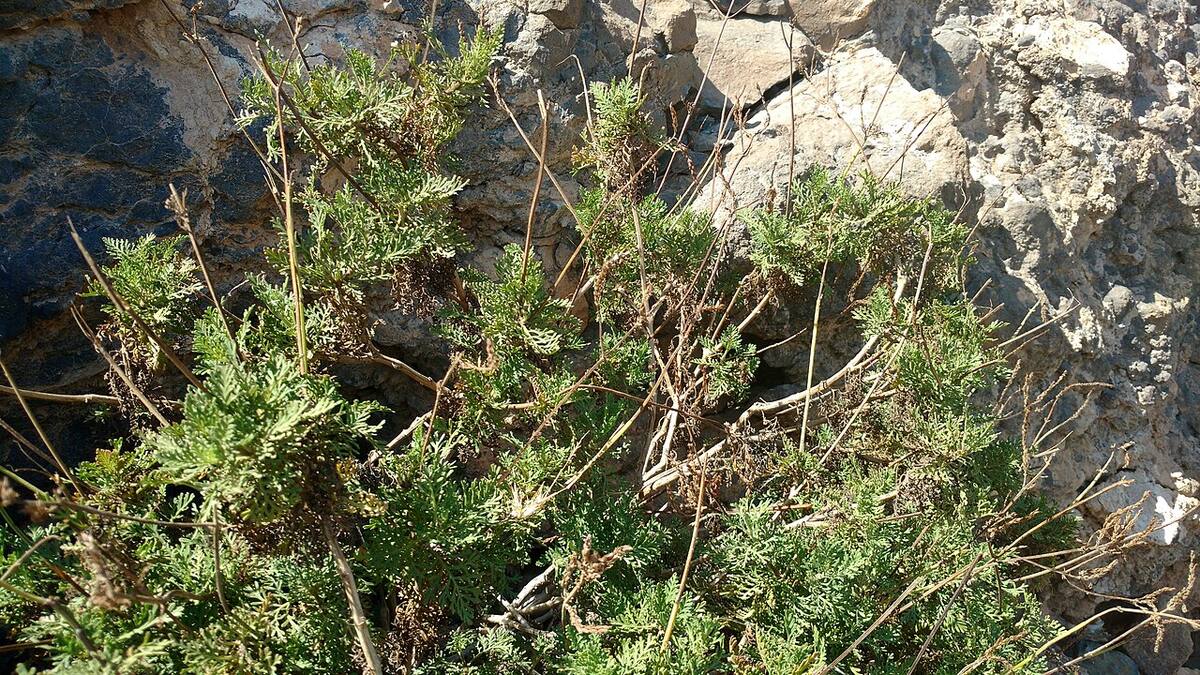
Canary Island lavender, Lavandula canariensis: finely divided grey-green foliage gives this species a noticeably different texture. Its slender, branching flower stems carry small blue flowers.
The latter two need milder conditions than hardy English lavenders. That does not mean they automatically thrive in every tropical garden. A hot, persistently wet site presents a different challenge from winter frost; seek local nursery experience with the exact species.
Toothed leaves of L. dentata. Forest & Kim Starr, Wikimedia Commons, CC BY 3.0. Resized and compressed.L. canariensis on Fuerteventura. Julius Senegal, Wikimedia Commons, CC BY-SA 4.0. Resized and compressed; adapted image under the same license.
Sun and drainage come first
Choose a sunny position and avoid placing lavender beside a lawn sprinkler that keeps the root zone wet. UC IPM recommends at least six hours of sun. Before planting, check what happens after rain: a low spot that stays soggy is a poor starting point.
Good drainage and air circulation matter more than a generous feeding routine. Illinois Extension notes that wet soil, high humidity and crowded plants can contribute to decline. A raised bed or a container can offer more control when the garden soil drains poorly.
Growing lavender in a pot
Use a pot with open drainage holes and a free-draining growing mix. Keep the planting depth similar to the nursery pot. Do not leave the container standing in collected water. A pot makes it easier to move a tender species away from unsuitable winter conditions, but it does not eliminate the need for sunlight.
New plants need attention while their roots establish. Drought tolerance develops later; it is not a reason to neglect a newly planted lavender. Containers also dry faster than open ground, so check the mix rather than watering by an inflexible calendar.
Pruning, flowers and new plants
Trim after flowering to keep the shrub compact, adapting the timing to your climate and species. Leave leafy growth instead of cutting deeply into bare old wood, which often regenerates poorly. Lavender usually needs little fertiliser; a monthly high-input routine is not a general requirement.
Cuttings are a practical way to reproduce a chosen plant. Seedlings can vary, especially when a named cultivar is involved. For fragrant dried stems, cut flower spikes as the first flowers begin opening and dry them in suitable airy conditions.
Fragrance is not a medical guarantee
A garden plant, a tea and a concentrated essential-oil product are not interchangeable. NCCIH reports limitations in evidence for health benefits and possible adverse effects or medicine interactions. Do not replace treatment for anxiety or sleep problems with a garden preparation; ask a health professional before medicinal use.
ASPCA lists L. angustifolia as toxic to dogs, cats and horses if ingested. Prevent chewing and seek veterinary advice after suspected ingestion. This species-specific listing should not be turned into a claim that every other lavender is safe.
Cover: L. angustifolia in Tihany, Hungary; cultivar not specified. Emőke Dénes, Wikimedia Commons, CC BY-SA 4.0. Resized and compressed; adapted image under the same license.
Usamos cookies em nosso site para fornecer a melhor experiência de uso, lembrando suas preferências e visitas repetidas. Ao clicar em “Aceitar”, concorda com a utilização de TODOS os cookies.
Este site usa cookies para melhorar sua experiência enquanto você navega pelo site. Destes cookies, os cookies que são categorizados como necessários são armazenados no seu navegador, pois são essenciais para o

funcionamento das funcionalidades básicas do site. Também usamos cookies de terceiros que nos ajudam a analisar e entender como você usa este site. Esses cookies serão armazenados em seu navegador apenas com

o seu consentimento. Você também tem a opção de bloquear esses cookies. Porém, a desativação de alguns desses cookies pode afetar sua experiência de navegação.
Os cookies necessários são absolutamente essenciais para o funcionamento adequado do site. Esta categoria inclui apenas cookies que garantem funcionalidades básicas e recursos de segurança do site. Esses cookies não armazenam nenhuma informação pessoal.
Quaisquer cookies que possam não ser particularmente necessários para o funcionamento do site e sejam usados especificamente para coletar dados pessoais do usuário por meio de análises, anúncios e outros conteúdos incorporados são denominados cookies não necessários. É obrigatório obter o consentimento do usuário antes de executar esses cookies no seu site.