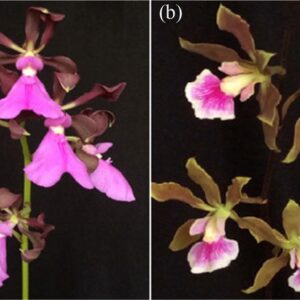
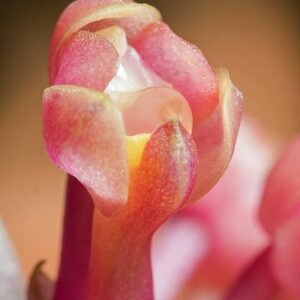
An Encyclia can be a wonderful flowering orchid, but the name on its label matters more than a universal watering calendar. This guide explains how to approach the genus, choose a suitable position and decide when a mature clump is ready for division.
Recognise the plant before choosing its care
The North American Orchid Conservation Center describes a diverse group from the American tropics. Many grow on trees and develop pear- or onion-shaped pseudobulbs, firm leaves and branched flower stems. Habitats include both seasonally dry and wet forests. Flowers are often fragrant, but colour, scent and growing conditions are not identical across the genus.
Keep the species or hybrid name supplied by the nursery. A broad guide cannot replace that identification. For a closer look at one Brazilian species, see our guide to Encyclia randii.
What the swollen stems do
Pseudobulbs are not underground bulbs. They are thickened stems that help store resources. The American Orchid Society explains their role in orchid growth. A clump develops through successive growths; an older pseudobulb is not automatically useless simply because it no longer looks new.
Light, water and a suitable container
For Encyclia, the American Orchid Society recommends very bright light, intermediate to warm conditions, and a medium-grade epiphytic orchid mix in pots or baskets, or a suitable mount. During active growth, water regularly while allowing roots to dry lightly between waterings. Reduce watering after the season’s pseudobulbs mature. Avoid repeated root disturbance and deteriorated potting material.
In practice, inspect your own plant rather than copying a schedule from another climate. A pot and a mount do not dry at the same speed. Write down when you watered and what the roots and mix were like beforehand. This small record is more useful than treating every Tuesday as watering day.
The New York Botanical Garden’s care guide highlights the balance between light, moisture and ventilation. Excess direct sun can burn leaves; stagnant humid air is also undesirable. Let irrigation water drain completely. For feeding, use a product appropriate for orchids according to its label, rather than combining several fertilisers to force flowers.
When repotting is worth the disturbance
Check whether the mix is breaking down, whether the plant has outgrown its container and whether roots are healthy. The New York Botanical Garden advises avoiding unnecessary repotting during flowering. Work with clean hands and disinfected tools, remove deteriorated material carefully and preserve healthy roots. For a sympodial orchid, position older growth towards the edge and leave space for new growth towards the centre.
Division: keep a strong plant, not many weak pieces
Division is the practical route for a sufficiently large, established clump. The American Orchid Society’s propagation guide describes groups of three or four pseudobulbs, with a growing lead. Do not split a small or struggling plant just to obtain more pots. Each section needs resources to recover; division is not a guarantee of immediate flowering.
This guide does not recommend hormone paste or cutting a flower stem to manufacture plantlets. Those shortcuts should not be substituted for a method verified for the plant you actually have.
A place where you can enjoy and maintain it
Choose the growing position first and the decorative container second. Leave room to inspect roots and new shoots, remove the pot for watering and enjoy the flowers without repeatedly moving the plant. A beautiful display should make routine care easier, not hide problems until the orchid declines.
Photo credit
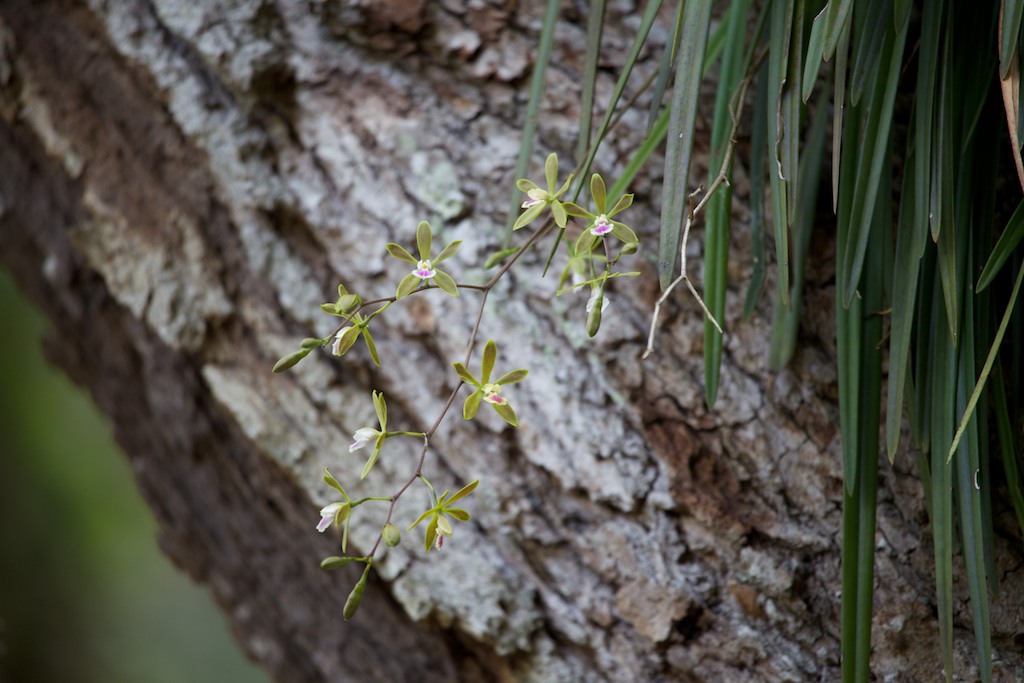
Cover: Encyclia tampensis, Malcolm Manners, Wikimedia Commons, CC BY 2.0; resized. This photograph illustrates one species, not every Encyclia.
Usamos cookies em nosso site para fornecer a melhor experiência de uso, lembrando suas preferências e visitas repetidas. Ao clicar em “Aceitar”, concorda com a utilização de TODOS os cookies.
Este site usa cookies para melhorar sua experiência enquanto você navega pelo site. Destes cookies, os cookies que são categorizados como necessários são armazenados no seu navegador, pois são essenciais para o

funcionamento das funcionalidades básicas do site. Também usamos cookies de terceiros que nos ajudam a analisar e entender como você usa este site. Esses cookies serão armazenados em seu navegador apenas com

o seu consentimento. Você também tem a opção de bloquear esses cookies. Porém, a desativação de alguns desses cookies pode afetar sua experiência de navegação.
Os cookies necessários são absolutamente essenciais para o funcionamento adequado do site. Esta categoria inclui apenas cookies que garantem funcionalidades básicas e recursos de segurança do site. Esses cookies não armazenam nenhuma informação pessoal.
Quaisquer cookies que possam não ser particularmente necessários para o funcionamento do site e sejam usados especificamente para coletar dados pessoais do usuário por meio de análises, anúncios e outros conteúdos incorporados são denominados cookies não necessários. É obrigatório obter o consentimento do usuário antes de executar esses cookies no seu site.