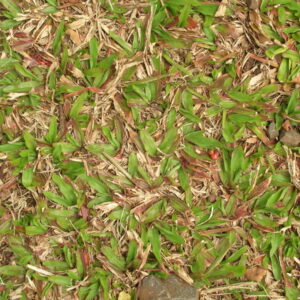
Bahiagrass (Paspalum notatum), known in Brazil as grama-batatais, suits an informal lawn better than a closely clipped ornamental carpet. Its appeal is resilience, not a perfectly smooth finish. Before buying, check the planting material: a Brazilian batatais lawn and a named cultivar such as ‘Pensacola’ need not look or behave identically.
What grass are you choosing?
Embrapa describes Paspalum notatum as a perennial grass of American origin, used both for pasture and permanent soil cover. The variety notatum is widely grown as lawn grass in southeastern and central-western Brazil. These uses do not make every seed lot interchangeable: ask the supplier for the species, variety or cultivar and intended use.
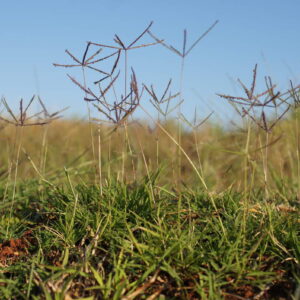
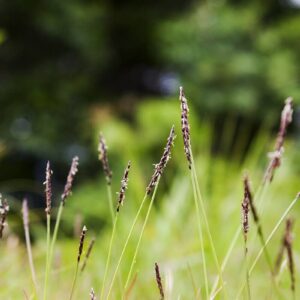
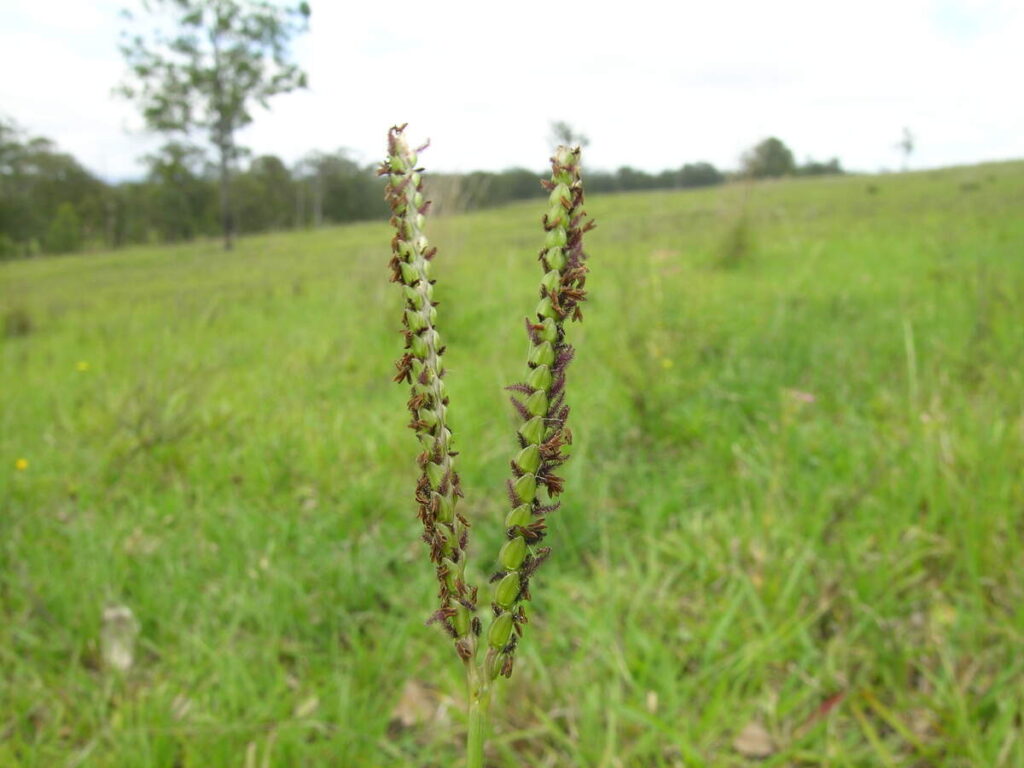
The plant spreads through short underground stems called rhizomes. Its forked, V-shaped flowering heads rise above the leaves. Those heads are part of the grass itself, not automatically a weed. A sunny, open space is the starting point; this is not a solution for deep shade.
Where it works, and its limits
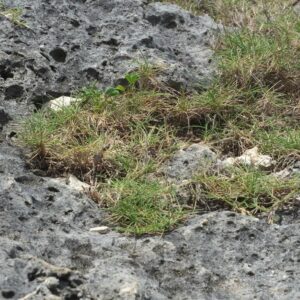
Its tolerance of dry spells and relatively poor soil makes it useful where a rustic appearance is acceptable. That does not mean “no care,” nor does being native guarantee success in every Brazilian garden. Consider local climate, drainage and how the space will be used before covering a large area.
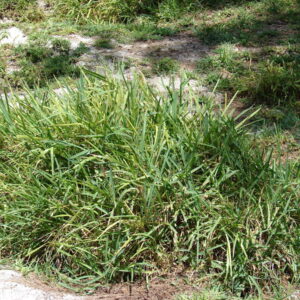
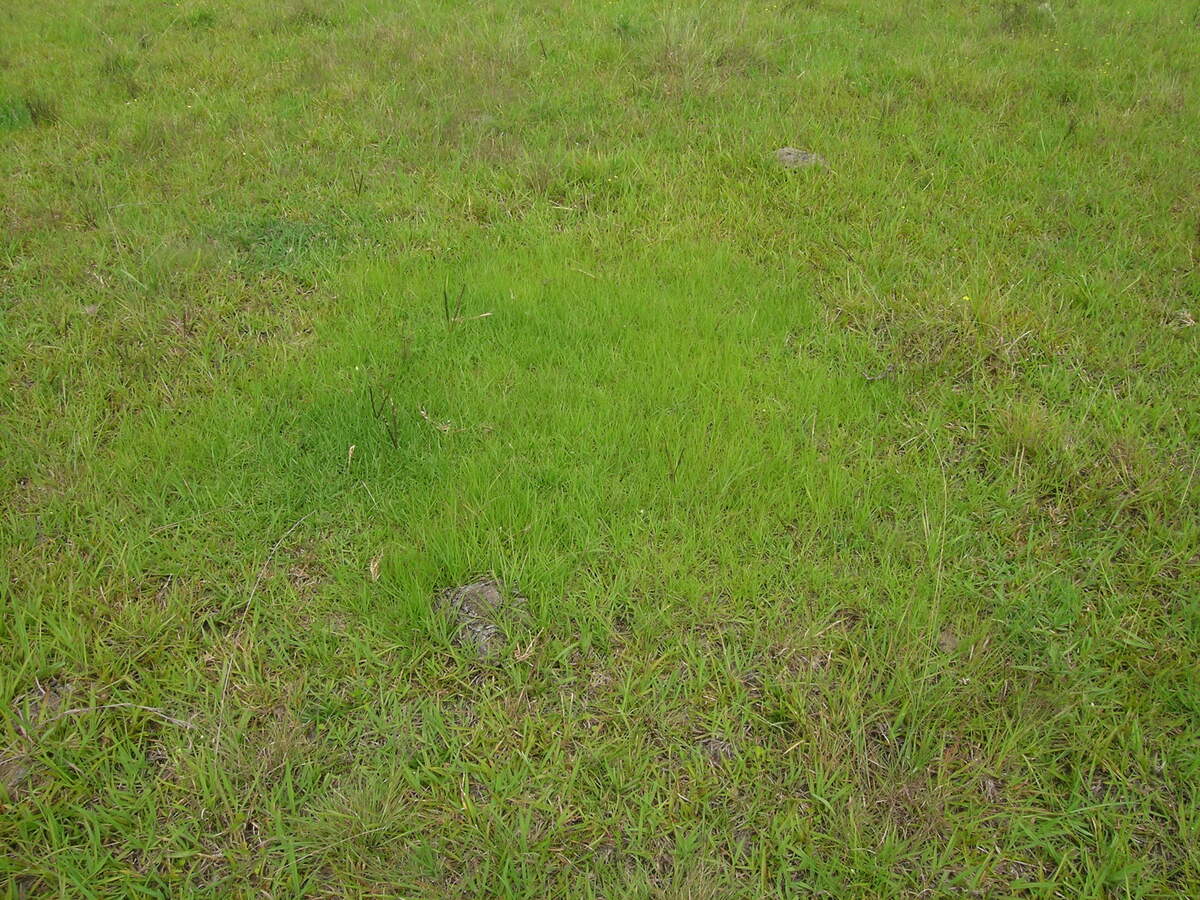
Do not confuse resilience with the dense surface expected of a sports field. The lawn can leave room for weeds, and tall flower stalks may need cutting even when the leaves have grown little. On steep or unstable ground, grass alone is not an erosion-control design: drainage and safe maintenance need professional assessment.
Planting without skipping preparation
Test the soil before adding lime or fertilizer. Remove rubble and weeds, address compaction and correct drainage while preserving a slope that takes water away from buildings. Laying sod over a hard, poorly prepared surface only hides the problem.
Both seed and sod are options. Sod covers the ground faster; seed takes longer to establish. Inspect purchased sod for weeds. Keep new plantings moist while roots establish, then reduce irrigation according to weather and soil moisture. Do not mow newly laid sod until it is anchored.
Watering and mowing an established lawn
Drought tolerance means the grass can survive conditions that reduce its growth, not that it stays green indefinitely without water. Watch for wilting or a blue-gray cast. Prolonged dryness can make it brown and dormant; rainfall or irrigation can restart growth.
UF/IFAS recommends a maintained height of about 7.5–10 cm (3–4 inches) for bahiagrass lawns in Florida. Treat that as regional guidance, not a universal Brazilian specification. Avoid removing more than one-third of the leaf height at once, keep mower blades sharp and adjust mowing to growth. Use soil-test results and local advice for feeding rather than an automatic calendar.
For comparison, see our guide to broadleaf carpetgrass. Choosing the right grass for the site is more useful than trying to force every lawn into the same appearance.
Sources
Embrapa: Paspalum notatum var. notatum; USP: grama-batatais; UF/IFAS: Bahiagrass for Florida Lawns; UF/IFAS: bahiagrass overview; UF/IFAS homeowner management guide; UF/IFAS: preparing the ground.
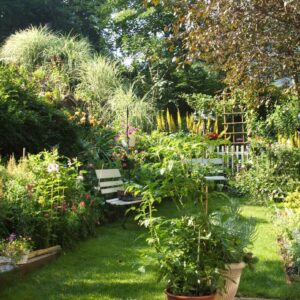
Cover: Harry Rose / Wikimedia Commons, CC BY 2.0. Resized and compressed.