Cilantro brings a distinctive flavour to food and can come straight from a home garden. For a steady supply of leaves, the aim is not to keep one plant alive forever. Choose seed suited to your climate, watch soil moisture and sow small batches at different times.
Cilantro, coriander and the plant’s life cycle
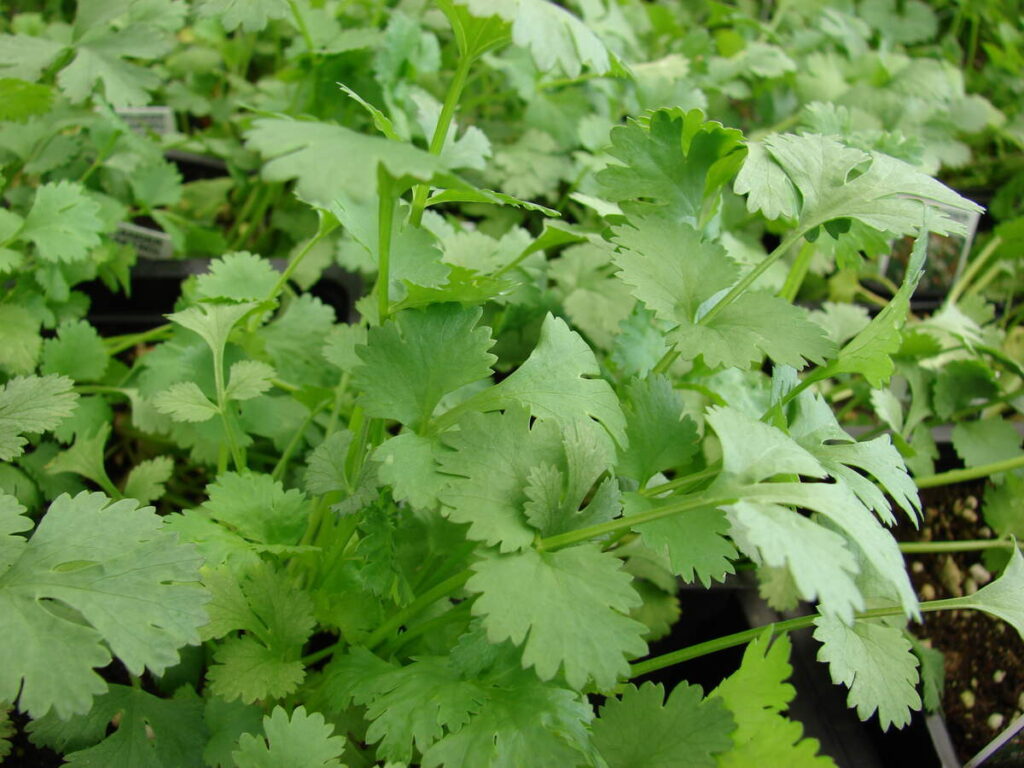
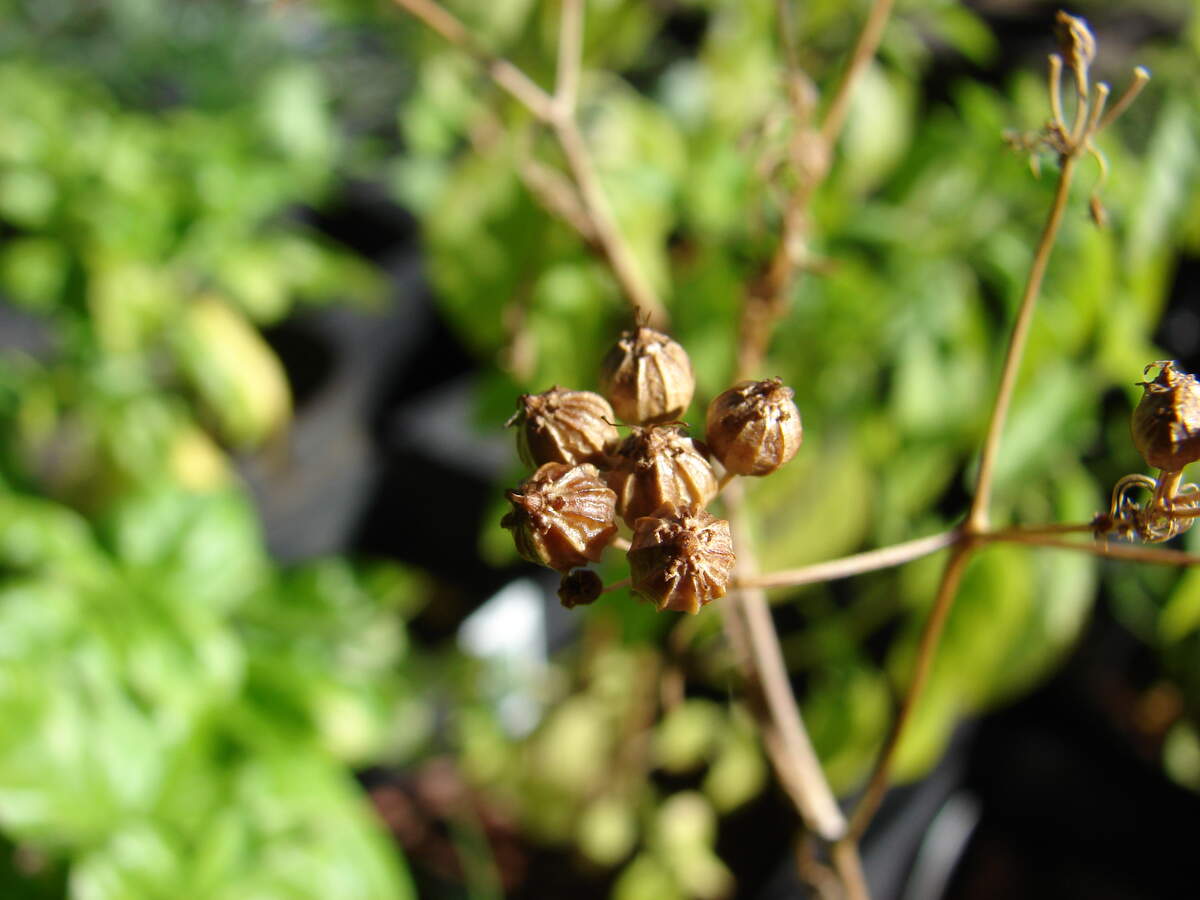
Coriandrum sativum is an annual herb in the carrot family. In American English, cilantro commonly refers to the fresh leaves and coriander to the dried spice. The rounded “seeds” are botanically dry fruits. The plant eventually flowers, produces these fruits and finishes its life cycle. Upper leaves become more finely divided as it approaches flowering.
Brazilian names such as Verdão and Português identify cultivars of this species, not separate species. By contrast, broad-leaved culantro, Eryngium foetidum, is another plant. Similar aromas and common names are not reliable identification tools for food plants.
Start with the container, soil and seed
Choose a well-lit bed or a container with clear drainage holes. A tiny pot dries quickly and limits root space. Before sowing, check that water can drain rather than collect around the roots. Use a suitable growing mix or prepared soil; fertilizer needs depend on existing fertility, not a universal monthly recipe.
Sow directly where the plants will grow, using seed of known origin and following the packet’s depth instructions. Embrapa’s technical leaflet gives 20 cm between rows and 5 cm between plants as one reference. Row spacing is not the distance between individual seedlings. Thin overcrowded seedlings instead of leaving a dense mat.
Maintain moisture during germination without making mud. Afterwards, adjust watering to weather and how quickly the bed or container dries. A windy balcony may need attention sooner than a sheltered bed. Check the growing medium rather than counting a fixed number of weekly waterings.
Why does it flower so soon?
Heat and longer days can encourage flowering, but cultivar and growth stage affect the response. A temperature suitable for germination is not necessarily the best temperature for prolonged leaf production. If flowering comes too early, reconsider the planting season and look for a locally suitable, slower-bolting cultivar. Bolting means the stem stretches before flowering; it is not automatically a sign of fertilizer deficiency.
Harvest leaves, then plan the next sowing
Harvest when the leaves are well developed for your intended use. Embrapa’s home-vegetable guidance gives roughly 50–60 days as a reference, not a guarantee for every cultivar and season. Staggered sowings are more dependable than expecting the same annual plant to remain productive for many seasons.
Cutting off a flower stalk does not turn cilantro into a perennial. Leave selected plants to finish flowering if you want the dry spice. Dry harvested material properly before storage and discard anything mouldy. Do not confuse sowing seed, which may have been treated, with seed sold for food.
Dry fruits, commonly called coriander seeds. Forest & Kim Starr / Wikimedia Commons, CC BY 3.0. Resized and compressed.
Healthy plants and safe kitchen use
A short growing cycle does not make cilantro immune to pests or disease. Check new growth and leaf undersides when you notice distortion or spots. Avoid overcrowding and waterlogging. Identify the cause before treating it; products intended for ornamental plants are not automatically appropriate for edible leaves.
Wash harvested leaves before eating. Enjoy cilantro for its flavour as part of varied meals, not as a substitute for medical treatment. Claims that a seasoning cures disease or “detoxes” the body require evidence beyond the presence of nutrients or laboratory-tested compounds.
Usamos cookies em nosso site para fornecer a melhor experiência de uso, lembrando suas preferências e visitas repetidas. Ao clicar em “Aceitar”, concorda com a utilização de TODOS os cookies.
Este site usa cookies para melhorar sua experiência enquanto você navega pelo site. Destes cookies, os cookies que são categorizados como necessários são armazenados no seu navegador, pois são essenciais para o

funcionamento das funcionalidades básicas do site. Também usamos cookies de terceiros que nos ajudam a analisar e entender como você usa este site. Esses cookies serão armazenados em seu navegador apenas com

o seu consentimento. Você também tem a opção de bloquear esses cookies. Porém, a desativação de alguns desses cookies pode afetar sua experiência de navegação.
Os cookies necessários são absolutamente essenciais para o funcionamento adequado do site. Esta categoria inclui apenas cookies que garantem funcionalidades básicas e recursos de segurança do site. Esses cookies não armazenam nenhuma informação pessoal.
Quaisquer cookies que possam não ser particularmente necessários para o funcionamento do site e sejam usados especificamente para coletar dados pessoais do usuário por meio de análises, anúncios e outros conteúdos incorporados são denominados cookies não necessários. É obrigatório obter o consentimento do usuário antes de executar esses cookies no seu site.