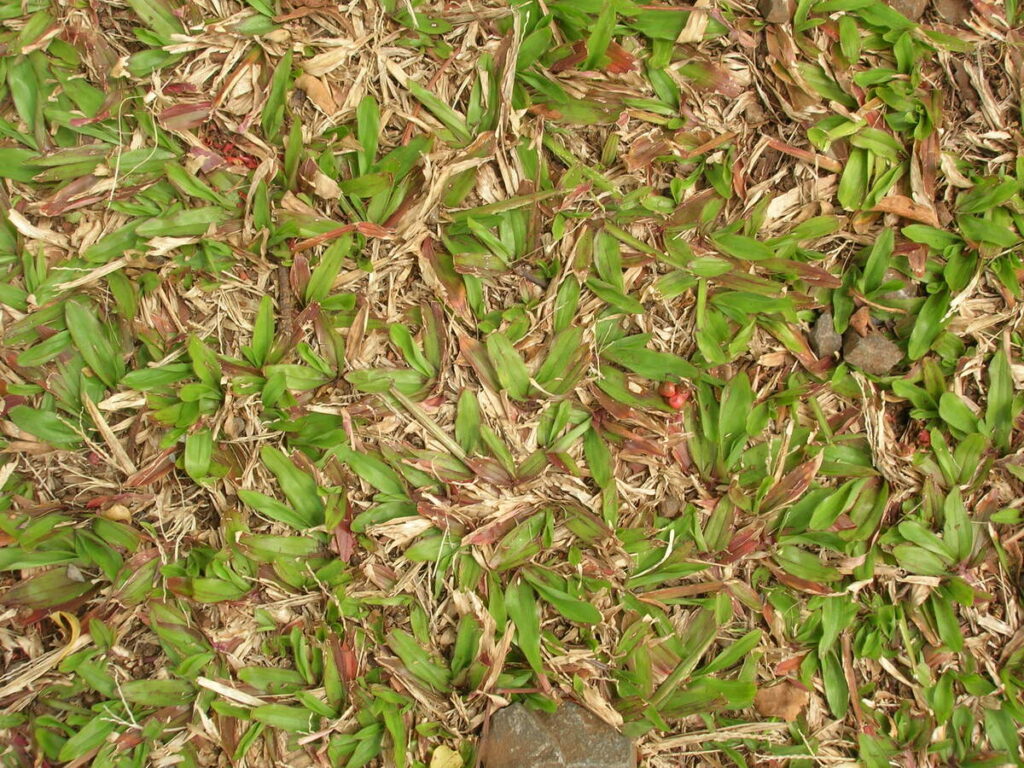
Broadleaf carpetgrass (Axonopus compressus) can make a practical green carpet in a warm, moist garden. Its relatively broad blades give it a coarser texture than a fine sports lawn. Choosing it well means understanding both its tolerance of shade and its limits under drought, flooding and heavy use.
Which grass are you buying?
In Brazil, this species is often called grama São Carlos. However, a familiar trade name is not a precise botanical identification: the Brazilian cultivar register lists “São Carlos para Jardim” under Axonopus fissifolius. Ask the supplier for the species and cultivar rather than assuming every bag of seed and every roll of turf is interchangeable. This guide concerns A. compressus.
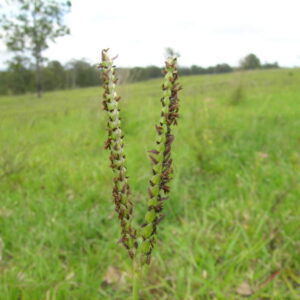
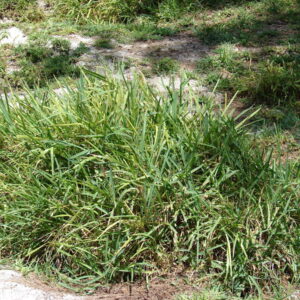
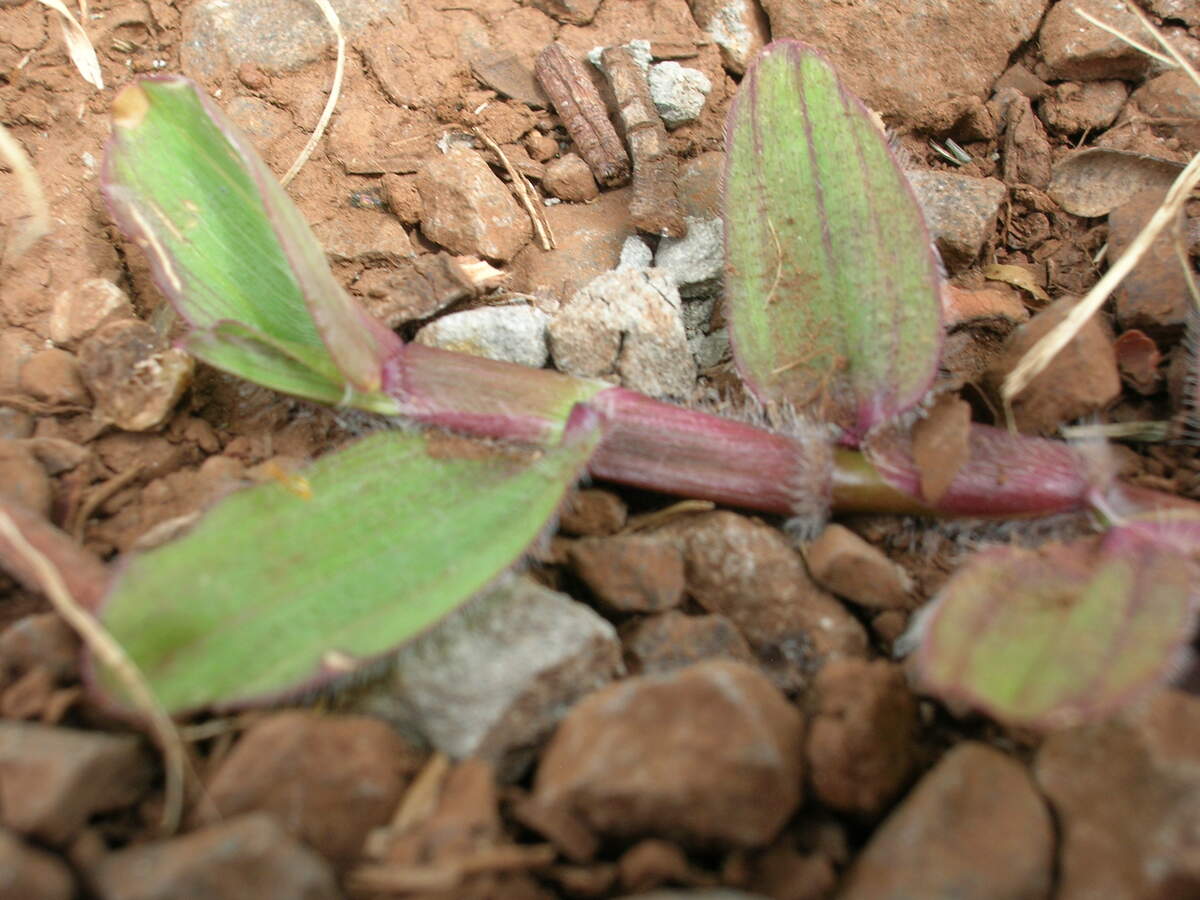
Kew places its native range in tropical and subtropical America, not Australia. It spreads with creeping stems that root at the nodes and gradually join into a mat. Flowers and seeds can occur, although foliage is its main ornamental feature.
Where it works, and where it does not
Sun or partial shade can suit it. It is useful in garden lawns and planted landscapes, but it should not be chosen simply because a site stays flooded. Tropical Forages distinguishes moist ground from prolonged inundation: the latter is not well tolerated. Drought is another limitation, so an established lawn may still need watering during dry weather.
NParks/CUGE rates its resistance to foot traffic as poor and does not recommend it for sports or event lawns. A lawn beside a path is a different situation from a daily shortcut or a football area. Plan a hard-wearing path where people repeatedly walk.
Preparing and planting
Before ordering turf, check drainage, soil condition and the site’s use. Remove debris and weeds and prepare a level surface that still allows water to drain. Soil testing is more useful than applying lime or fertiliser by guesswork.
Sod provides quick cover, while rooted pieces need time to fill the gaps. Lay fresh, healthy turf in good contact with the soil, without piling pieces on top of one another. Water after installation and keep the root zone moist while new roots establish, not permanently saturated. Reduce the frequency as rooting progresses, adjusting to rainfall and soil moisture. A green surface on installation day is not yet a rooted lawn.
Mowing and everyday maintenance
Do not treat “mow when it reaches 3 cm” as a universal rule. CUGE’s tropical guidance gives different maintained heights for different uses, including 25–40 mm in parks. Local conditions and the exact turf supplied matter. Avoid scalping: as a practical general rule, remove no more than about a third of the leaf height in one cut, using a sharp blade.
Weeds can still invade. Check whether bare patches are linked to wear, compaction, watering or unsuitable light instead of repeatedly adding fertiliser. Remove small weeds before they spread, and do not assume a herbicide suitable for another lawn is safe for this one. Healthy cover helps competition but does not make a lawn weed-proof.
References
- Kew: Axonopus compressus.
- Brazilian cultivar register: São Carlos para Jardim.
- NParks: identification and growing conditions.
- Tropical Forages: ecology and limitations.
- CUGE: cowgrass management.
- CUGE: planting tropical turfgrass.
- CUGE: mowing.
- University of California IPM: lawn weed management.
Cover photo: Forest & Kim Starr, CC BY 3.0; resized and compressed.