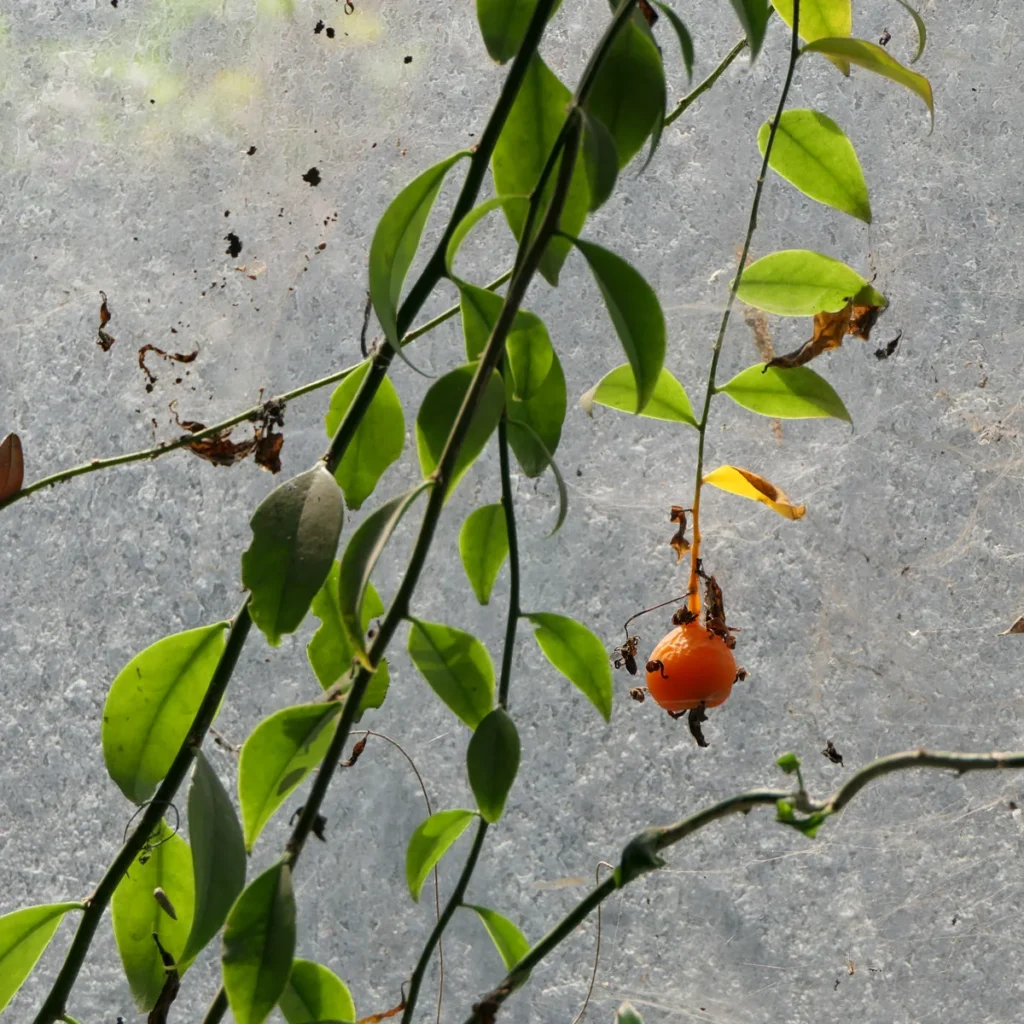
Ora-pro-nóbis combines fleshy leaves with thorny stems and vigorous growth. Known in English as Barbados gooseberry or leaf cactus, Pereskia aculeata belongs to the cactus family despite having well-developed leaves. In Brazil it is grown as a traditional leafy vegetable.
Before planting: location matters
This guide describes Brazilian growing practices, not a recommendation to introduce the plant everywhere. Outside its native range, it can become invasive and smother other vegetation. The Hawaii Invasive Species Council, for example, identifies it as an invasive plant. Check local environmental guidance before obtaining or planting it, and choose a non-invasive alternative where it is discouraged.
Plant profile
Scientific name: Pereskia aculeata Mill.
Family: Cactaceae.
Life cycle: perennial, growing as a climber or shrub depending on training.
Native range: Panama to tropical South America, according to Kew.
Conditions: tropical and subtropical climates, with well-drained soil.
Choosing a position and allowing enough space
Where growing it is appropriate, choose a sunny position. The Federal University of Santa Catarina (UFSC) describes better development in full light and adaptation to tropical and subtropical climates. Plan from the outset whether stems will be trained onto a support or kept low by pruning. Do not wait until thorny growth is blocking a path.
A Brazilian guide to unconventional edible plants gives 1 m (about 3 ft) between plants for a hedge. For rows, it suggests 1–1.5 m between plants and 1–2 m between rows. These are in-ground planting references, not minimum pot sizes. Leave enough access to harvest and handle the stems without pushing through thorny vegetation.
Starting a plant from a stem cutting
EPAMIG, Minas Gerais’ agricultural research organization, recommends rooting cuttings before planting them out. Choose a healthy parent plant and take a 20–30 cm (8–12 in) section from the middle of a developed stem. Place it in a container of commercial growing medium, burying about two-thirds of its length. Wear sturdy gloves when handling the thorns.
Transplant when the cutting has a good root system and fully expanded leaves. The publication mentions about 45 days, but these signs matter more than a date alone. Move the plant to its final position when water will be available; in the Brazilian context, the start of the rainy season helps establishment. Early sprouting by itself does not show that a cutting is ready.
Watering, feeding and managing growth
Drought tolerance does not mean the plant needs no water to produce leaves. Water during dry periods and remove competing plants around young specimens. The Brazilian guide recommends replenishing organic matter after harvest cycles, using well-rotted manure. In a home garden, keep track of harvests rather than adding fertilizer every time a few leaves are picked.
Periodic light pruning encourages new, tender foliage; UFSC mentions intervals of roughly three months. In practice, keep stems within reach and out of walkways. A hedge and a plant harvested regularly will develop different shapes, so do not expect identical dimensions under both systems.
When to harvest and what to check
The first harvest generally comes two to three months after planting in the final position. Individual leaves can be picked, or leafy stems cut back. Start only when the plant is well developed: a published time frame does not make a weak plant ready. Take harvested stems into shade to separate the leaves.
Choose stems with most leaves fully expanded but still tender and bright green. Watch young plants in particular for damage from ants, caterpillars and beetles. Chewed leaves call for inspection of the plant and its surroundings, not an assumption that fertilizer is missing. Seek local technical advice before applying any product to an edible crop if damage persists.
Frequently asked questions
Is ora-pro-nóbis really a cactus? Yes. Pereskia aculeata is a member of Cactaceae, even though it has well-developed leaves.
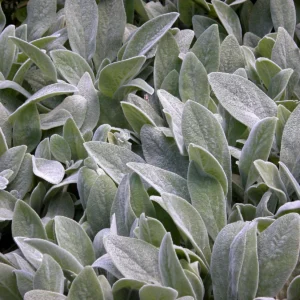
Are the leaves used in cooking? Yes, their culinary use is documented in the Brazilian guide. Use correctly identified plants grown for food and wash the harvest carefully. This article concerns cultivation, not treatment of illness or the use of supplements. Another example of a traditional Brazilian leafy crop is peixinho-da-horta, or lamb’s ear, which also requires careful identification and attention to plant origin.
Why is there no fixed watering schedule? Rain, heat and container size change how quickly the growing mix dries. Check it before repeating the previous watering: if it is still wet, do not add water simply because a scheduled day has arrived.
Sources
Royal Botanic Gardens, Kew: identity and distribution
UFSC: characteristics and cultivation (Portuguese)
Embrapa and partners: unconventional edible plants guide (Portuguese PDF)
EPAMIG: technical growing guidance (Portuguese PDF)
Hawaii Invasive Species Council: Barbados gooseberry
Photo: Dinesh Valke / Flickr, CC BY-SA 2.0. Cropped square and compressed as WebP, without upscaling.