Anyone who has crossed a shadeless street on a summer afternoon knows how much difference a few metres can make. That everyday experience lies at the heart of a public discussion opened by Brazil’s Ministry of the Environment and Climate Change: how can homes, schools and cities stay cooler without simply relying on more air conditioning?
Until November 23, 2026, people can submit suggestions for the guidelines of the National Action Plan for Cooling and Tackling Extreme Heat, known by its Portuguese acronym PNAR. The consultation began on November 13 on the Brasil Participativo platform. The document is still open to contributions; these are not measures that have already been implemented.
Shade is part of the solution
The proposal places vegetation alongside building design and energy efficiency. It is an important shift in perspective: before cooling a room that has already become hot, it is possible to reduce some of the heat entering it.
In its chapter on sustainable cooling, the plan describes two ways plants can help. Tree canopies intercept some solar radiation, while evapotranspiration, which combines water evaporation and plant transpiration, also helps cool the surroundings. That does not mean any potted plant can replace a tree or an air-conditioning unit. Scale, location and climate matter.
The document also revisits familiar features of Brazilian architecture: verandas, roof overhangs and exterior window shading. These are examples of passive cooling, a term for solutions designed to prevent heat gain or encourage heat loss without relying on mechanical refrigeration.
There is no single recipe for all of Brazil. The document stresses that shade and ventilation may take priority in hot, humid regions, while places with cold nights or pronounced winters require different considerations. Choices need to reflect the local climate, rather than simply copying an attractive solution from another city.
Where greenery is needed most
One proposal under discussion is to guide tree planting according to the need for heat protection. In practice, that means looking beyond the number of trees to consider who is exposed to the sun and where shade is missing.
The action chapter suggests combining information on heat risk, social vulnerability and the exposure of pedestrians and outdoor workers. Walking routes, disadvantaged outskirts and hotter areas are among the priorities discussed. For housing improvements, the document proposes paying attention to roofs, shading, ventilation and windows.
The idea connects with the recently presented strategy to bring more nature into cities. The initiatives are related but distinct: this consultation focuses specifically on cooling and protection from extreme heat.
How to take part
The official consultation page provides the text and chapters open for comments. They cover Brazil’s challenges, cooling alternatives, proposed actions and ways to monitor implementation. The deadline is November 23.
According to the timetable published on the platform, contributions will be assessed after the consultation closes, and the plan is scheduled to launch in December 2026. The guidelines may change before then.
Why this discussion matters
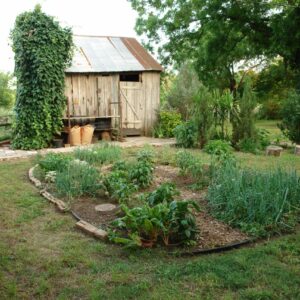
For people who enjoy gardens, the news places greenery in a wider conversation. A tree does more than brighten a pavement: its shade can make a walk more pleasant and allow a space to be used at times when it would otherwise stand empty.
The most interesting aspect of the proposal is the connection between landscaping, housing and urban planning. Comfort should not begin only inside the home. It also involves the route to school, the bus stop and the places where people work. Turning that intention into action and ongoing maintenance will be the decisive step after the consultation.
Usamos cookies em nosso site para fornecer a melhor experiência de uso, lembrando suas preferências e visitas repetidas. Ao clicar em “Aceitar”, concorda com a utilização de TODOS os cookies.
Este site usa cookies para melhorar sua experiência enquanto você navega pelo site. Destes cookies, os cookies que são categorizados como necessários são armazenados no seu navegador, pois são essenciais para o

funcionamento das funcionalidades básicas do site. Também usamos cookies de terceiros que nos ajudam a analisar e entender como você usa este site. Esses cookies serão armazenados em seu navegador apenas com

o seu consentimento. Você também tem a opção de bloquear esses cookies. Porém, a desativação de alguns desses cookies pode afetar sua experiência de navegação.
Os cookies necessários são absolutamente essenciais para o funcionamento adequado do site. Esta categoria inclui apenas cookies que garantem funcionalidades básicas e recursos de segurança do site. Esses cookies não armazenam nenhuma informação pessoal.
Quaisquer cookies que possam não ser particularmente necessários para o funcionamento do site e sejam usados especificamente para coletar dados pessoais do usuário por meio de análises, anúncios e outros conteúdos incorporados são denominados cookies não necessários. É obrigatório obter o consentimento do usuário antes de executar esses cookies no seu site.