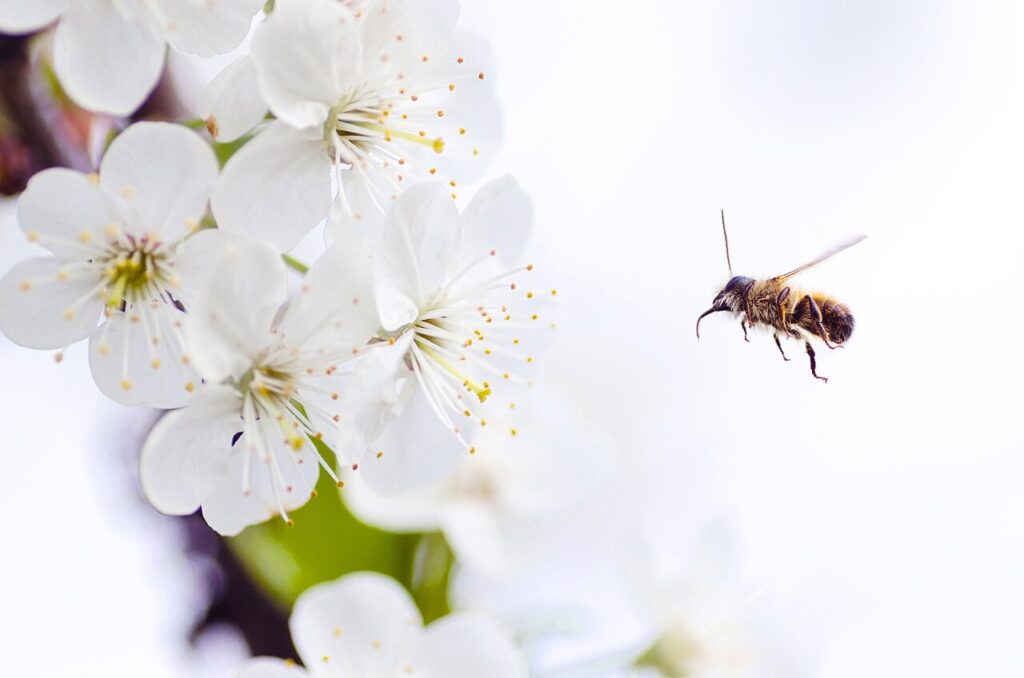
A bee landing on a flower may seem far removed from international diplomacy. Yet these visitors help sustain food production and the reproduction of many plants. That connection brought governments, scientists and organisations to the Global Pollinator Conference in Rome on 5 and 6 November 2026.
Participants discussed a Global Pollinator Platform to connect conservation initiatives across countries. Embrapa’s report of 16 November describes strong support for the proposal, but formal approval is still pending.
What the platform could do
The proposal is not to replace local projects. It aims to make cooperation easier: sharing research and data, supporting monitoring, offering technical guidance and bringing funding partners closer to conservation initiatives. FAO, the United Nations food and agriculture organisation, describes it as a way to strengthen existing efforts.
Pollinators face multiple pressures, including habitat loss and fragmentation, climate change, unsustainable farming practices, pesticides, invasive species, pests and diseases. Understanding local conditions matters more than assuming one response will work everywhere.
FAO has offered to act as an interim secretariat. According to Embrapa, the proposal is expected to be considered by the Commission on Genetic Resources for Food and Agriculture in April 2027, with possible formal approval at the FAO Conference in June or July. These are planned steps, not evidence that the platform is already operational.
Pollination is not only about bees
Pollination means transferring pollen to the receptive part of a flower, the stigma. When compatible, this can allow fertilisation and seed formation. Pollen may move within a flower or between flowers; in many plants, animals carry it as they search for food.
Bees are important, but butterflies, moths, flies, beetles, birds and bats also pollinate different plants. Flower shape, the timing of food rewards and the visitor’s characteristics all influence these relationships.
Not every plant depends on animals: some are wind-pollinated, and others can self-pollinate. Protecting pollinators does not mean claiming that all food would disappear without bees. It means safeguarding an important part of food diversity and quality, as well as ecological relationships.
Brazil brought monitoring and management experience
Cristiano Menezes, from Embrapa Environment, presented Brazilian initiatives including the Brazilian Bee Observatory, which supports monitoring of colony losses, and APOIA Melissa, a tool that helps farmers assess management practices to make properties more pollinator-friendly.
Why gardeners should pay attention
A garden does not end at the edge of a flowerbed. Its flowers are connected to animals that move through backyards, parks, farmland and native vegetation. Looking only at a flower’s beauty misses part of that story. Our landscape design guide considers the garden as a connected space.
The proposal’s value lies in connecting knowledge with action. One international meeting cannot restore habitats or solve colony losses on its own. What matters next is whether cooperation produces better data, support for local projects and tangible changes in how landscapes are managed.
Usamos cookies em nosso site para fornecer a melhor experiência de uso, lembrando suas preferências e visitas repetidas. Ao clicar em “Aceitar”, concorda com a utilização de TODOS os cookies.
Este site usa cookies para melhorar sua experiência enquanto você navega pelo site. Destes cookies, os cookies que são categorizados como necessários são armazenados no seu navegador, pois são essenciais para o

funcionamento das funcionalidades básicas do site. Também usamos cookies de terceiros que nos ajudam a analisar e entender como você usa este site. Esses cookies serão armazenados em seu navegador apenas com

o seu consentimento. Você também tem a opção de bloquear esses cookies. Porém, a desativação de alguns desses cookies pode afetar sua experiência de navegação.
Os cookies necessários são absolutamente essenciais para o funcionamento adequado do site. Esta categoria inclui apenas cookies que garantem funcionalidades básicas e recursos de segurança do site. Esses cookies não armazenam nenhuma informação pessoal.
Quaisquer cookies que possam não ser particularmente necessários para o funcionamento do site e sejam usados especificamente para coletar dados pessoais do usuário por meio de análises, anúncios e outros conteúdos incorporados são denominados cookies não necessários. É obrigatório obter o consentimento do usuário antes de executar esses cookies no seu site.