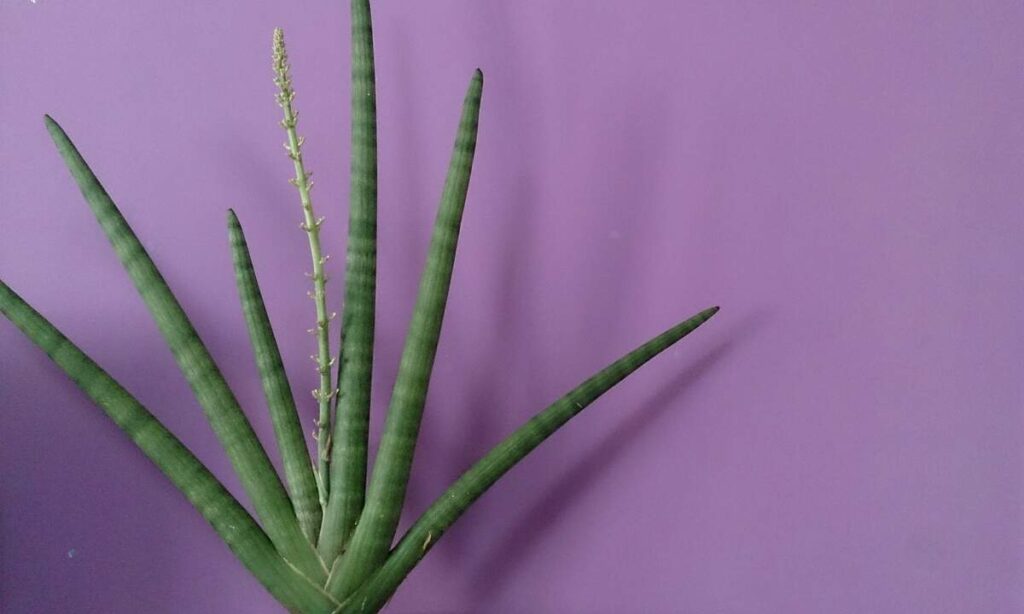
African spear, or cylindrical snake plant, has a different outline from the familiar flat-leaved snake plant. Its firm, rounded leaves rise like green rods, often opening into a fan. It is a slow-growing succulent that suits a bright room, provided its roots are not kept wet.
Which plant is it?
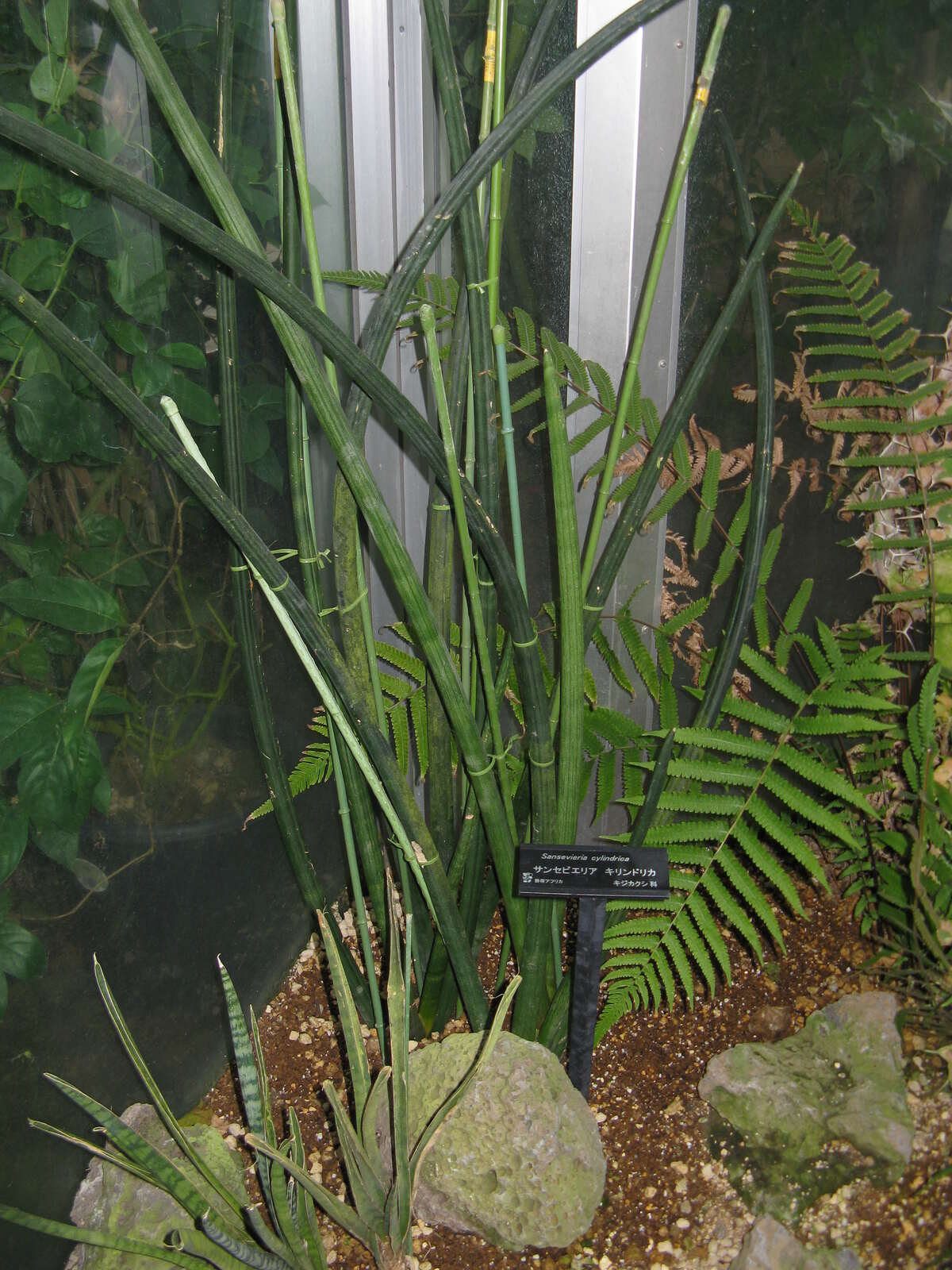
The accepted name is Dracaena angolensis; Sansevieria cylindrica is a synonym still common on labels. Kew records its native range in Angola, Zambia and Zimbabwe, in seasonally dry tropical habitats. It belongs to Asparagaceae and spreads through underground rhizomes.
The cylindrical leaves carry grey-green markings and taper to sharp tips. Mature plants may produce a slender flowering stalk with fragrant pale flowers, but flowering is not guaranteed indoors. A healthy plant without flowers is not necessarily missing anything.
Light and a suitable pot
Give it a bright position. Sun or partial shade can work, depending on acclimation and local conditions; for an indoor plant moving outside, gentler morning sunlight is preferable to sudden exposure to harsh afternoon sun. Low light tolerance should not be mistaken for a preference for a dark room.
A stable container with drainage holes helps support the tall leaves. Use a free-draining cactus or succulent mix, and repot when the clump has outgrown its container rather than routinely moving a small plant into a much larger pot.
Dracaena angolensis, labelled under its synonym Sansevieria cylindrica. Photo: KENPEI, CC BY 3.0. Resized and compressed.
Water less often, but check first
Let the growing medium dry between waterings. Drain excess water and do not leave the pot standing in a full saucer. There is no universal number of days between waterings: temperature, light and pot size change how quickly moisture disappears. Reduce watering when growth slows, particularly in cool conditions.
Feed modestly during active growth, following the instructions on a succulent fertiliser. Do not try to force faster growth with extra fertiliser or water. Persistent wetness is a much greater concern than a missed watering.
Dividing and keeping it tidy
Division separates an established clump into smaller plants. Keep roots and healthy growth with each section, use clean tools and replant in a draining mix. Leaf cuttings are another propagation method. Neither method produces an instant full-sized specimen, so allow time for new growth.
Inspect new plants and leaf bases for pests. Diagnose any damage before applying a treatment rather than automatically using alcohol or insecticide.
Safety matters
Do not eat this plant. NC State’s species-specific entry warns of poisoning in pets after ingestion and possible skin irritation from sap. Keep it away from children and pets, wear gloves when cutting it, and seek medical or veterinary advice after an exposure causing concern. Its rigid pointed leaves are also a physical hazard: avoid play areas or places where someone could fall onto them.
Usamos cookies em nosso site para fornecer a melhor experiência de uso, lembrando suas preferências e visitas repetidas. Ao clicar em “Aceitar”, concorda com a utilização de TODOS os cookies.
Este site usa cookies para melhorar sua experiência enquanto você navega pelo site. Destes cookies, os cookies que são categorizados como necessários são armazenados no seu navegador, pois são essenciais para o

funcionamento das funcionalidades básicas do site. Também usamos cookies de terceiros que nos ajudam a analisar e entender como você usa este site. Esses cookies serão armazenados em seu navegador apenas com

o seu consentimento. Você também tem a opção de bloquear esses cookies. Porém, a desativação de alguns desses cookies pode afetar sua experiência de navegação.
Os cookies necessários são absolutamente essenciais para o funcionamento adequado do site. Esta categoria inclui apenas cookies que garantem funcionalidades básicas e recursos de segurança do site. Esses cookies não armazenam nenhuma informação pessoal.
Quaisquer cookies que possam não ser particularmente necessários para o funcionamento do site e sejam usados especificamente para coletar dados pessoais do usuário por meio de análises, anúncios e outros conteúdos incorporados são denominados cookies não necessários. É obrigatório obter o consentimento do usuário antes de executar esses cookies no seu site.