Ivy geranium (Pelargonium peltatum) is a natural choice for a window box or hanging basket: its stems spill over the edge instead of forming an upright mound. For a good display, start with light and drainage rather than adding more fertiliser whenever flowers are scarce.
Know which geranium you have
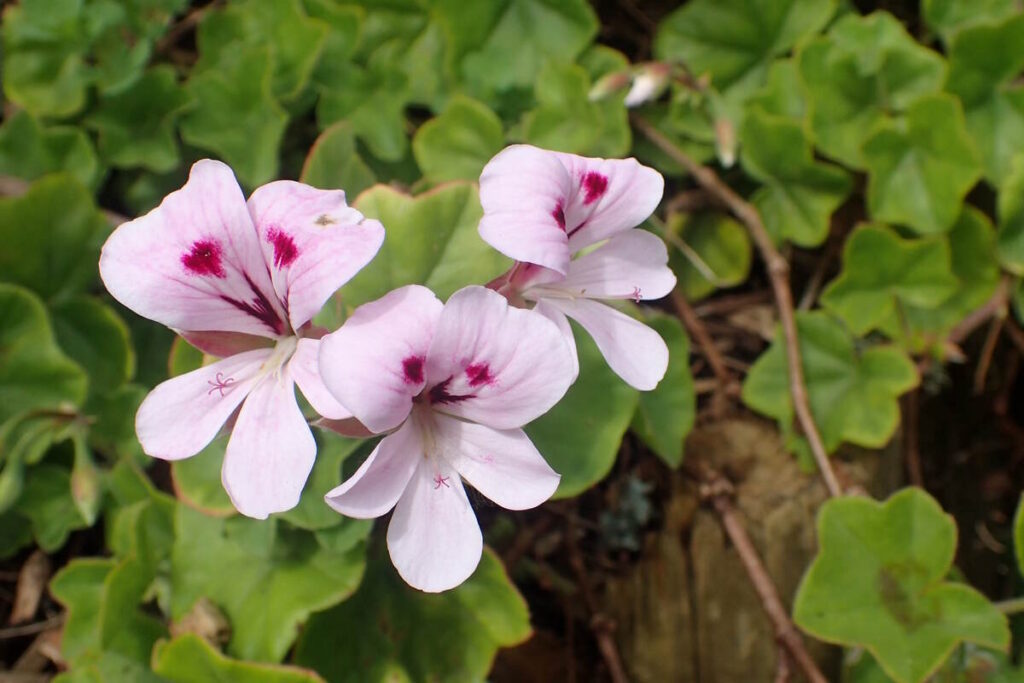
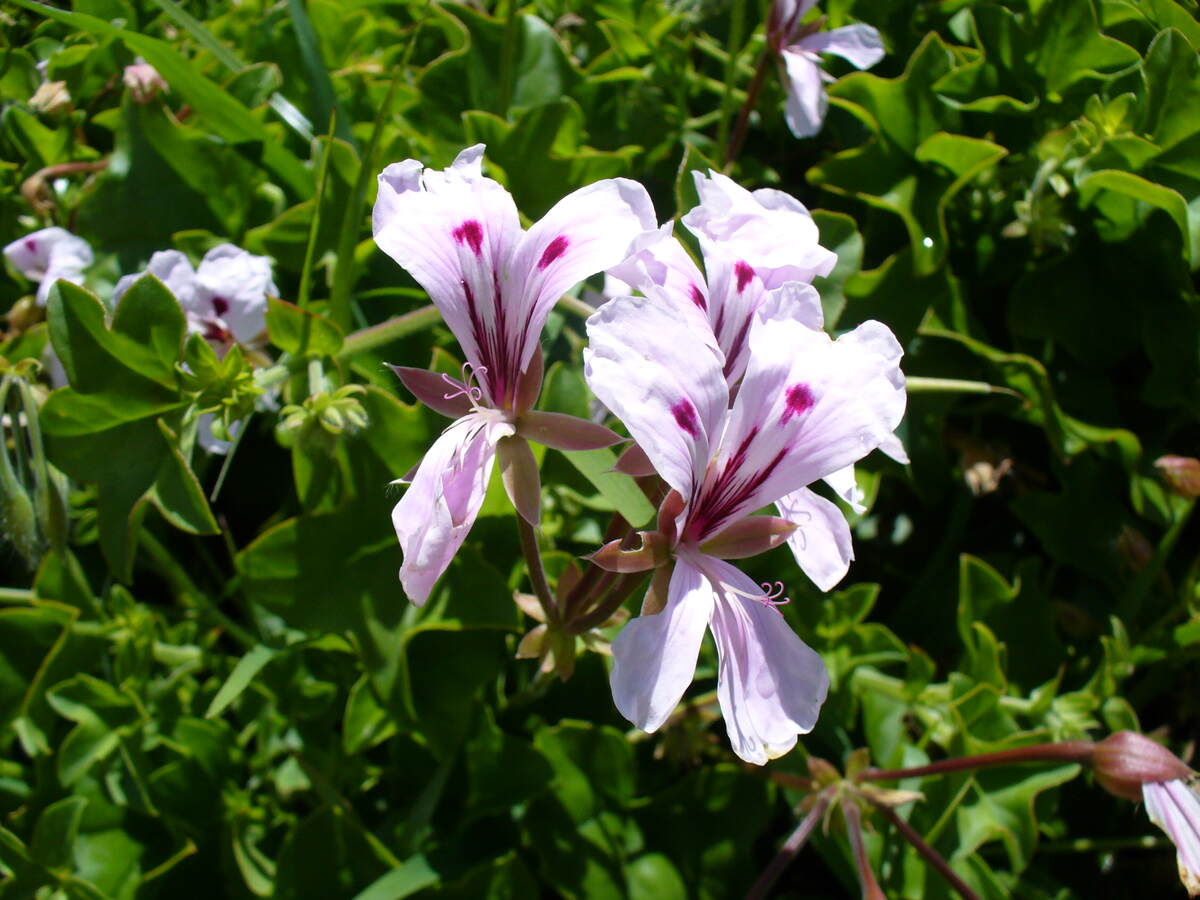
This South African perennial belongs to the Geraniaceae family. Its lobed leaves resemble ivy, while flowers may be single or double, commonly pink, red or white. Garden selections differ in habit and flowering. Unlike a true Geranium, it belongs to Pelargonium; the shared common name can cause confusion.
Light without excessive heat
A bright position is essential. In hot conditions, morning sun and afternoon shade suit ivy geraniums better than an exposed afternoon wall. Deep shade is not a substitute: insufficient light can produce long, weak growth and poor flowering. If the plant struggles, observe the actual hours of sun and the heat around the container.
Water and containers
Use a freely draining potting mix and a container with drainage holes. Do not leave the pot standing in water. Aim for moderate moisture, checking before watering rather than following a fixed timetable. Ivy geraniums can develop corky leaf spots called oedema when moisture conditions fluctuate. Avoid both persistent saturation and repeated severe drying.
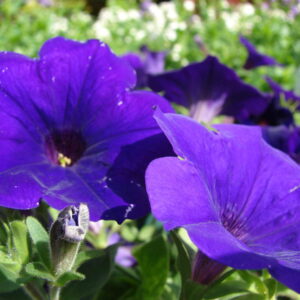
Flowers and lobed leaves. Photo: Andrew Massyn, public domain. Resized and compressed.
Keep the display tidy
Remove faded flowers when needed and pinch young shoot tips to encourage branching. Some cultivars are self-cleaning or branch well without pinching, so check the label. Feed during active growth according to the chosen product’s instructions; more is not automatically better. Where frost occurs, keep plants in a bright, sheltered, frost-free position over winter, with less water while growth slows.
Healthy stem cuttings offer a way to multiply a favourite plant. Keep propagation material free from visible disease and avoid a stagnant, damp environment. Good airflow is useful around both cuttings and mature plants.
Not the same as geranium essential oil
Do not transfer medicinal claims from scented pelargoniums to this trailing ornamental. SANBI describes Pelargonium graveolens, a different species, as a source of geranium oil for perfumery. That does not establish a treatment benefit for P. peltatum.
Do not eat this plant. NC State notes ingestion and contact-dermatitis risks and lists problems for pets. Keep leaves and cuttings away from animals and children who may chew them; use gloves if your skin is sensitive.
Usamos cookies em nosso site para fornecer a melhor experiência de uso, lembrando suas preferências e visitas repetidas. Ao clicar em “Aceitar”, concorda com a utilização de TODOS os cookies.
Este site usa cookies para melhorar sua experiência enquanto você navega pelo site. Destes cookies, os cookies que são categorizados como necessários são armazenados no seu navegador, pois são essenciais para o

funcionamento das funcionalidades básicas do site. Também usamos cookies de terceiros que nos ajudam a analisar e entender como você usa este site. Esses cookies serão armazenados em seu navegador apenas com

o seu consentimento. Você também tem a opção de bloquear esses cookies. Porém, a desativação de alguns desses cookies pode afetar sua experiência de navegação.
Os cookies necessários são absolutamente essenciais para o funcionamento adequado do site. Esta categoria inclui apenas cookies que garantem funcionalidades básicas e recursos de segurança do site. Esses cookies não armazenam nenhuma informação pessoal.
Quaisquer cookies que possam não ser particularmente necessários para o funcionamento do site e sejam usados especificamente para coletar dados pessoais do usuário por meio de análises, anúncios e outros conteúdos incorporados são denominados cookies não necessários. É obrigatório obter o consentimento do usuário antes de executar esses cookies no seu site.