Arrowhead plant is often bought as a compact pot of patterned leaves. With time, however, it can become a climbing or trailing vine. Understanding that change makes it easier to choose a place for it, provide support and keep its growth manageable. There is also an important precaution: its sap can irritate skin and eyes, so safe handling matters as much as watering.
A plant whose leaves change with age
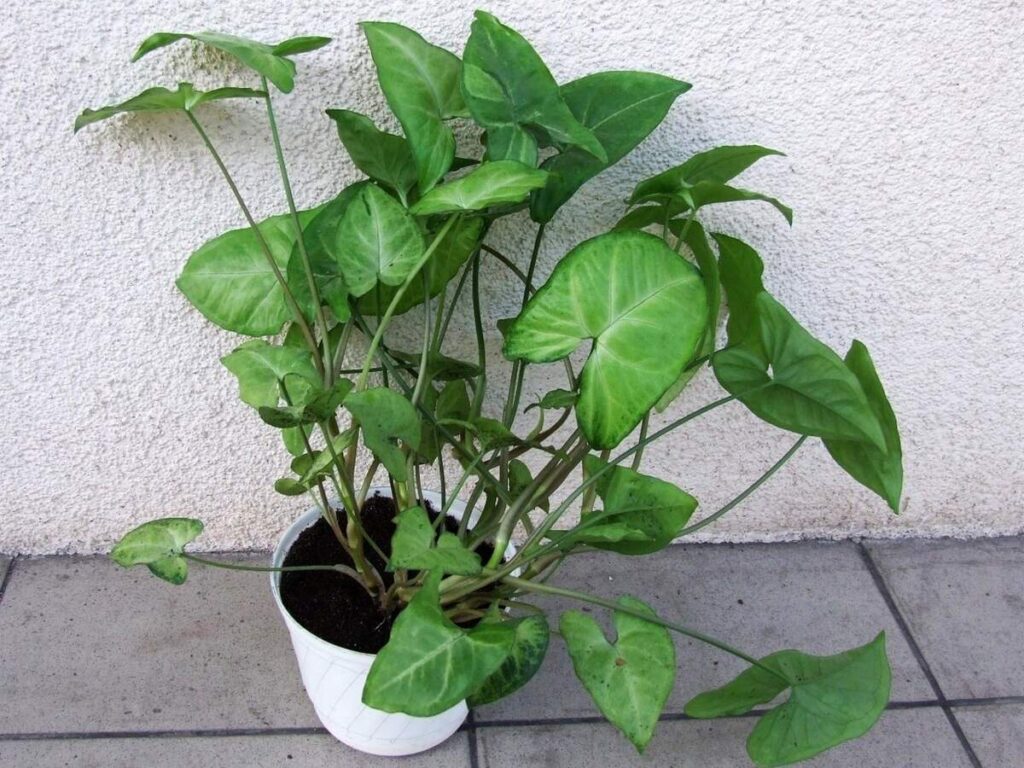
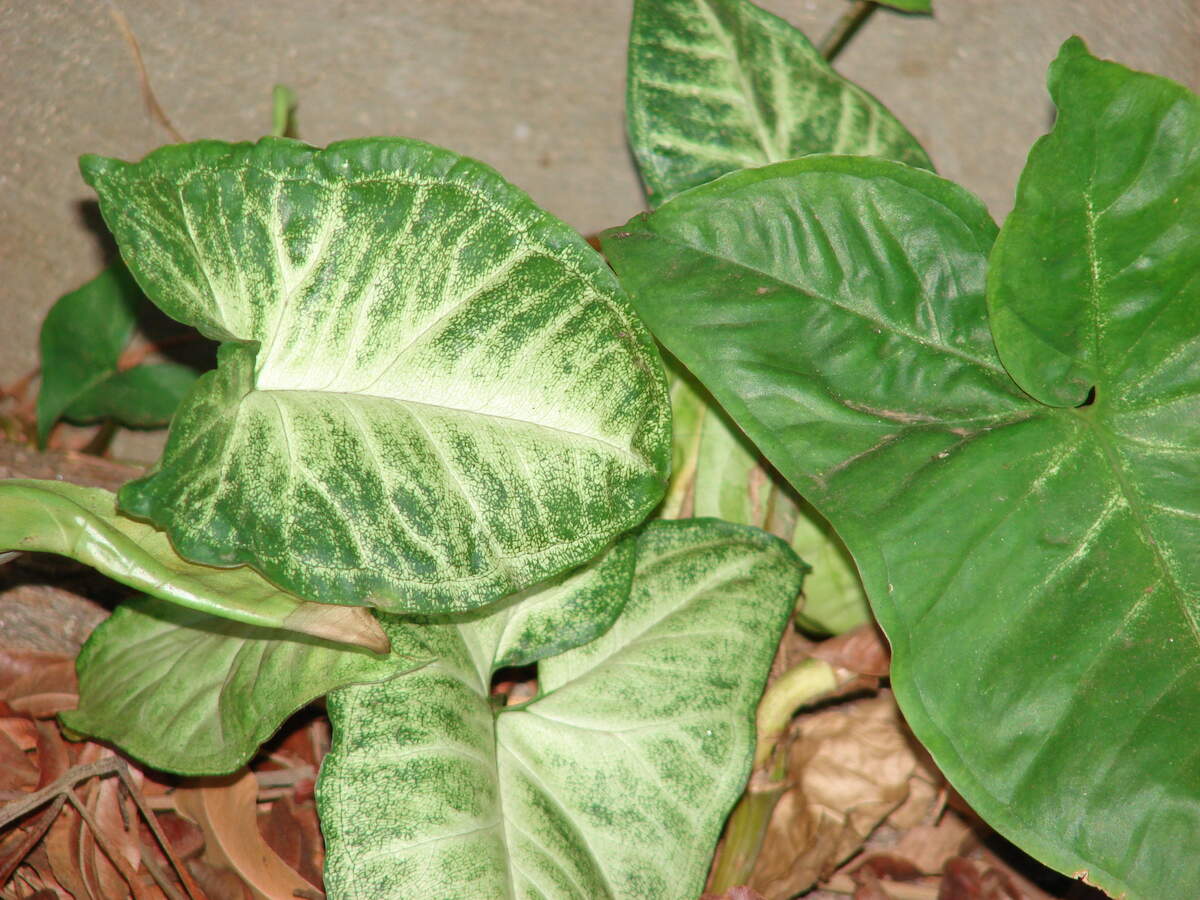
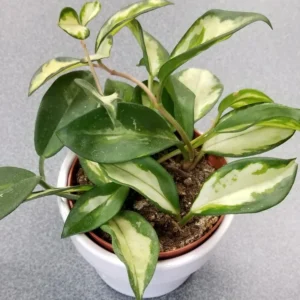
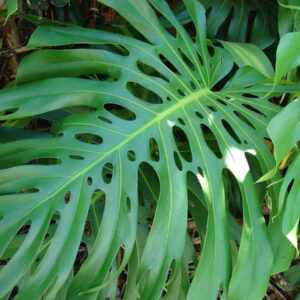
Syngonium podophyllum, also called arrowhead vine or nephthytis, belongs to the Araceae family. Its native range extends from Mexico into tropical South America. Young plants have the arrow-shaped leaves familiar from houseplant displays. On mature climbing growth, leaves become deeply divided. That change is part of development, not necessarily a sign of disease.
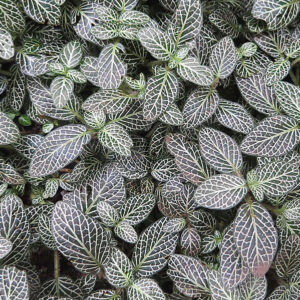
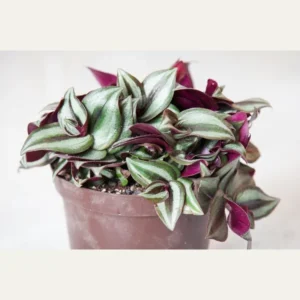
The plant climbs with roots that emerge from the stems. It can also produce a flower spike surrounded by a modified leaf, called a spathe, and later fruits. Flowers are uncommon indoors; this is mainly a foliage plant. Cultivars differ in colour and habit, so choose by the actual label rather than assuming every patterned leaf belongs to a separate species.
Light and a practical place indoors
Provide bright, indirect or filtered light and warmth. Strong direct sun may bleach or scorch foliage; a dark corner is not the same as suitable shade. Keep the pot away from cold draughts and avoid placing leaves against hot or cold glass.
Decide whether you want a trailing display, a supported climber or a more compact plant. A shelf or hanging basket needs enough room for the stems, while climbing growth needs a stable support. Keep foliage beyond the reach of small children and pets. For a broader layout, see our indoor garden planning guide.
Use a houseplant potting mix that retains some moisture while allowing excess water to drain. Check the mix rather than watering automatically every day. Water more during active growth and reduce it when growth slows in cooler conditions. Empty standing water from a saucer; “moist” does not mean a pot that never drains.
A suitable balanced fertiliser can support growth, but follow the product label and account for nutrients already present in the mix. Extra feed is not a cure for poor light or saturated roots. Pruning can keep stems within the available space; use clean tools and gloves.
Taking cuttings without forgetting hygiene
Propagation uses a section of stem with a node, the point where a leaf and roots can develop, rather than an isolated leaf blade. University of Florida production guidance describes nodal and tip cuttings placed in a rooting medium. Start with healthy material, keep the medium moist but aerated, and protect the cutting from harsh sun. Do not promise that every fragment will grow or that a fixed daily soaking is necessary.
If you keep cuttings in an open water container, include mosquito prevention in the routine. Brazil’s Ministry of Health advises changing the water and scrubbing the inside of plant containers at least weekly. Remove the plant while cleaning and rinse the container before replacing it. Simply topping up the water is not equivalent to cleaning; follow local vector-control advice.
Safety: the risk is not only swallowing
All parts contain calcium oxalate crystals. Chewing can cause burning and swelling in the mouth and throat. Queensland Poisons Information Centre advises urgent medical attention if lips or tongue swell, or breathing or swallowing becomes difficult. Do not treat the plant as edible.
Contact can also cause irritation. Wear gloves when pruning or repotting, keep sap away from eyes, and wash after handling. The ASPCA lists this species as toxic to cats and dogs, with possible mouth irritation, drooling, vomiting and difficulty swallowing. Contact a veterinarian promptly if a pet chews it or develops symptoms.
Keep vigorous growth contained
Outdoors, do not assume this vine is harmless everywhere. UF/IFAS identifies it as an invasive threat in Florida and does not recommend planting it there. That is a regional assessment, not a statement that it is prohibited throughout Brazil. Check local guidance, keep it out of natural areas and never dump cuttings where they can root.
Inspect plants for mealybugs, mites or aphids, and investigate spots or soft tissue rather than applying a general pesticide by default. A vigorous species still benefits from observation, suitable drainage and prompt attention to changes.
Usamos cookies em nosso site para fornecer a melhor experiência de uso, lembrando suas preferências e visitas repetidas. Ao clicar em “Aceitar”, concorda com a utilização de TODOS os cookies.
Este site usa cookies para melhorar sua experiência enquanto você navega pelo site. Destes cookies, os cookies que são categorizados como necessários são armazenados no seu navegador, pois são essenciais para o

funcionamento das funcionalidades básicas do site. Também usamos cookies de terceiros que nos ajudam a analisar e entender como você usa este site. Esses cookies serão armazenados em seu navegador apenas com

o seu consentimento. Você também tem a opção de bloquear esses cookies. Porém, a desativação de alguns desses cookies pode afetar sua experiência de navegação.
Os cookies necessários são absolutamente essenciais para o funcionamento adequado do site. Esta categoria inclui apenas cookies que garantem funcionalidades básicas e recursos de segurança do site. Esses cookies não armazenam nenhuma informação pessoal.
Quaisquer cookies que possam não ser particularmente necessários para o funcionamento do site e sejam usados especificamente para coletar dados pessoais do usuário por meio de análises, anúncios e outros conteúdos incorporados são denominados cookies não necessários. É obrigatório obter o consentimento do usuário antes de executar esses cookies no seu site.