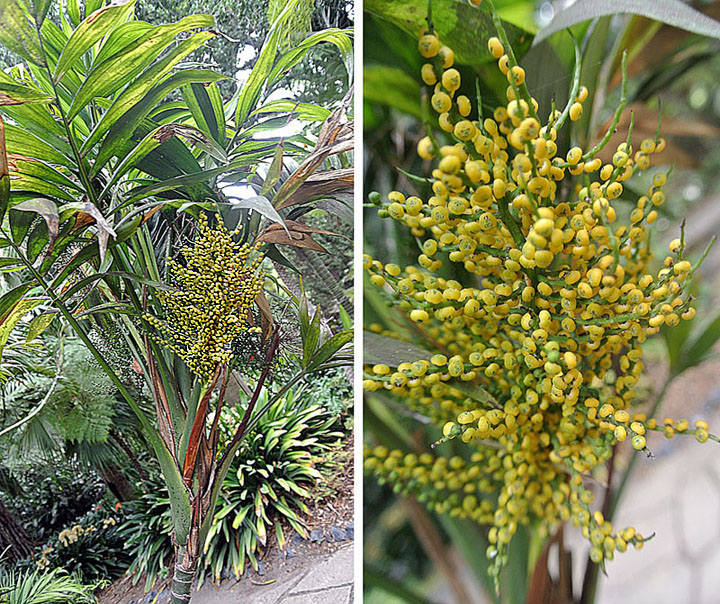
A room does not need a large tropical plant to feel greener. The parlor palm, Chamaedorea elegans, brings fine, arching leaves to a shelf, a small corner or a sheltered indoor display. Also sold as parlour palm or Neanthe Bella palm, it grows slowly and is easier to accommodate than many larger palms.
Know which palm you are buying
The botanical name is more useful than “bamboo palm”, a common name applied to different species. Chamaedorea elegans is a forest-understory palm from Mexico and northern Central America. Other members of Chamaedorea are separate species, not automatically varieties of this one.
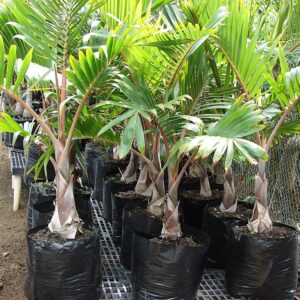
An important detail is hidden in the pot: this species has a single stem, but nurseries often plant several seedlings together to create a fuller display. What looks like one branching plant may therefore be a group of individual palms.
Choose light, not strong sunshine
Bright indirect light is a good starting point. It can tolerate a more shaded position, but a dark room is not the same thing as gentle shade. Keep it away from harsh direct sun and observe how the foliage responds before deciding on a permanent spot.
Do not rely on a universal rule about which compass direction a window should face. Hemisphere, nearby buildings and seasonal sunlight all matter. Look at the actual light reaching the plant. Protect it from cold drafts and abrupt changes around doors, windows or air-conditioning vents.
Water by checking the pot
Feel the surface of the potting mix before watering. When it has dried, water the rootball and allow the excess to drain. Empty the saucer or outer container instead of leaving the pot standing in water. In cooler or dimmer conditions, the mix usually takes longer to dry.
Yellow leaves are a warning to investigate, not an automatic instruction to add more water. Check moisture, drainage and light first. Watering an already saturated pot can make the underlying problem worse.
Potting mix, feeding and repotting
Use a light, well-drained houseplant mix and a container with drainage holes. There is no need to insist on peat: suitable peat-free mixes are available. Avoid dense garden soil and a pot much larger than the rootball, which can leave a large volume of wet mix around the roots.
Because growth is slow, repot according to the plant’s condition rather than by a fixed annual deadline. When the roots have filled the container, move up only a little in size and handle them gently. Keep the plant at its previous planting depth.
Feed during active growth using a suitable houseplant fertiliser at the label rate. More fertiliser does not compensate for insufficient light or damaged roots. Routine care should be simple: remove dust gently and trim off old, dead fronds rather than repeatedly reshaping healthy foliage.
Propagation and flowers
New plants can be raised from seed, but patience and warm growing conditions are needed. Separating a nursery pot means teasing apart individual rooted plants, not chopping one palm’s stem into pieces. If the roots are tightly entangled, keeping the group together may be the less stressful choice.
Mature palms can produce small flowers. Male and female flowers occur on separate plants, so fruit formation requires pollination between them. If fruits develop, handle them carefully: their juice can irritate sensitive skin. This is an ornamental plant guide, not a recommendation to eat any part.
Watch for small problems early
Check both sides of the leaves and the bases of the stems for mites, mealybugs or scale insects. Isolate a visibly infested plant from the rest of the collection while you identify the cause. Avoid applying a pesticide simply because a leaf has changed colour; if treatment is needed, choose a product authorised locally for the pest and the indoor ornamental use, and follow its label.
Sources and photograph
Royal Horticultural Society: growing chamaedorea; NC State Extension: Chamaedorea elegans.
Cover photograph: Dick Culbert, Chamaedorea elegans, Wikimedia Commons, CC BY 2.0. Original two-view photograph, unaltered, showing the plant and its flowers.