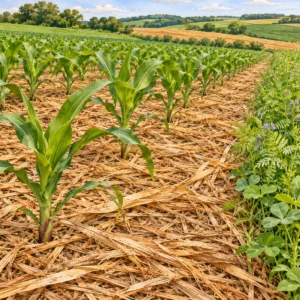
The same climate headline can mean opposite concerns for people growing food. One region may need to conserve water while another faces too much rain. That contrast is central to Embrapa Vegetables’ guidance on reducing El Niño risks in Brazilian production.
Publicized by the institution on November 3, 2026, the study by Marcos Brandão Braga, Samuel Cordeiro Vitor Martins and Carlos Eduardo Pacheco Lima brings together strategies based on regional conditions. It is not a single recipe for every vegetable garden, but a planning approach that considers the main risk in each location.
What changes from one region to another?
In Embrapa’s guidelines, localized irrigation and salinity management, meaning control of salt accumulation, are priorities in Brazil’s North and Northeast. In the South, attention turns to waterlogging and disease. For the Central-West and Southeast, the options include soil-moisture sensors, insect screens and protected cultivation.
The practical distinction matters: these are regional planning priorities, not an instruction to install every measure on every farm.
How can a distant ocean affect a vegetable garden?
NASA explains that during El Niño, surface waters in part of the tropical Pacific become warmer than usual. This change is linked to winds and alters atmospheric circulation, affecting rainfall and temperatures far beyond the ocean.
The phenomenon is not a tap that opens or closes equally across Brazil. Each episode also has its own characteristics. Observing the ocean and atmosphere allows scientists to compare events, understand their differences and follow their development.
Regional guidance does not replace local monitoring
Embrapa also maintains a resource on managing and reducing El Niño risks, bringing together information and technical notes for Brazil’s regions. This material helps put a broad warning into context before cultivation decisions are made.
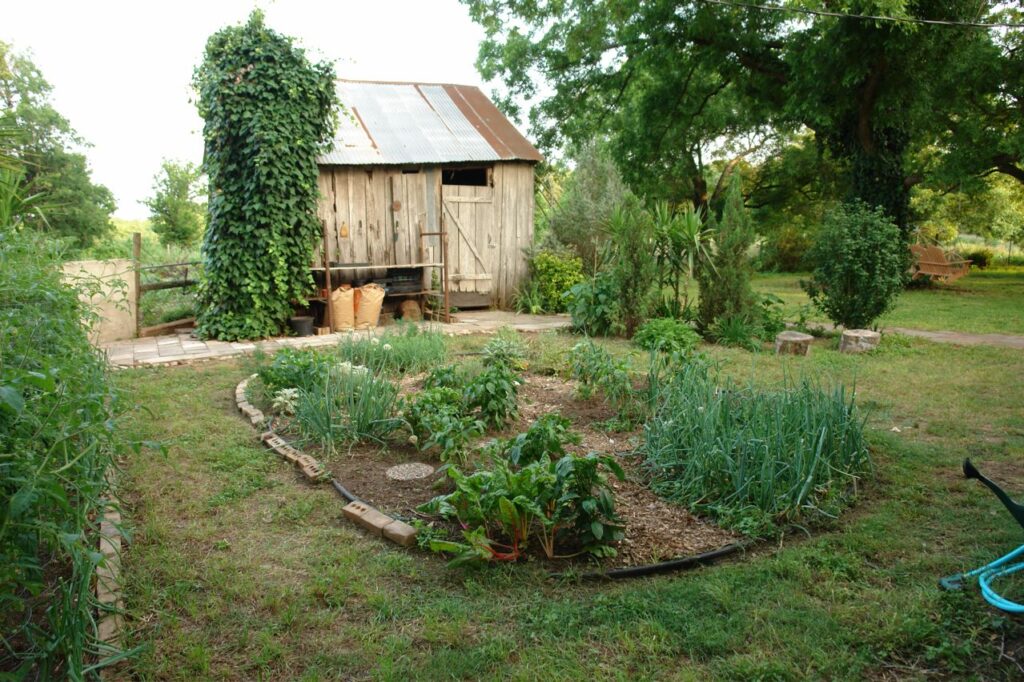
For anyone with a small vegetable garden, it is useful to distinguish information from an individual recommendation. A news story alone cannot determine how much to water or which structure to buy. The size of the growing area and local conditions remain part of that decision.
Why does this news matter?
The study shifts the question from “Which solution works for everyone?” to “Which risk do we need to address here?” Preparing a crop means recognizing those differences. Adaptation is not only a response after a loss; it means including climate in production planning.
Usamos cookies em nosso site para fornecer a melhor experiência de uso, lembrando suas preferências e visitas repetidas. Ao clicar em “Aceitar”, concorda com a utilização de TODOS os cookies.
Este site usa cookies para melhorar sua experiência enquanto você navega pelo site. Destes cookies, os cookies que são categorizados como necessários são armazenados no seu navegador, pois são essenciais para o

funcionamento das funcionalidades básicas do site. Também usamos cookies de terceiros que nos ajudam a analisar e entender como você usa este site. Esses cookies serão armazenados em seu navegador apenas com

o seu consentimento. Você também tem a opção de bloquear esses cookies. Porém, a desativação de alguns desses cookies pode afetar sua experiência de navegação.
Os cookies necessários são absolutamente essenciais para o funcionamento adequado do site. Esta categoria inclui apenas cookies que garantem funcionalidades básicas e recursos de segurança do site. Esses cookies não armazenam nenhuma informação pessoal.
Quaisquer cookies que possam não ser particularmente necessários para o funcionamento do site e sejam usados especificamente para coletar dados pessoais do usuário por meio de análises, anúncios e outros conteúdos incorporados são denominados cookies não necessários. É obrigatório obter o consentimento do usuário antes de executar esses cookies no seu site.