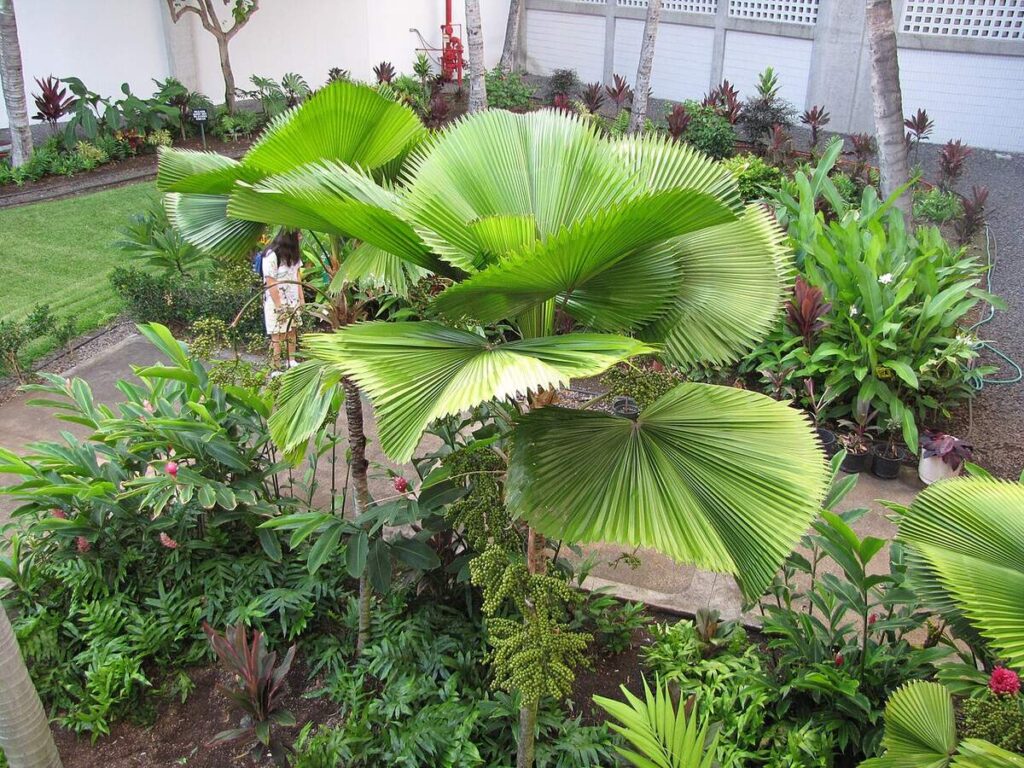
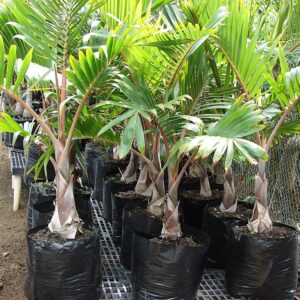
The ruffled fan palm, Licuala grandis, earns its place in a room with the shape of its leaves rather than a mass of flowers. Its broad, pleated fans work best where they have space to open without being brushed by people. Choosing that position matters more than finding an elaborate pot.
Know which fan palm you are buying
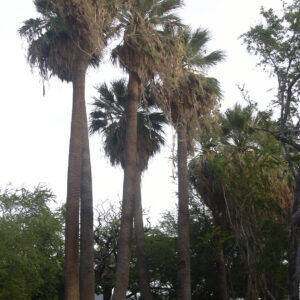
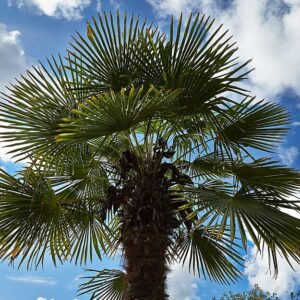
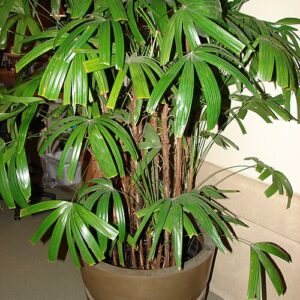
“Fan palm” describes many different plants. Kew accepts Licuala grandis as a distinct species native from the Santa Cruz Islands to Vanuatu, in the wet tropics. Check the botanical name on the nursery label: advice for a sun-loving or cold-tolerant fan palm is not interchangeable with advice for this species.
NParks describes rounded, pleated leaves that are largely undivided, with notched edges. The plant grows slowly on a solitary trunk and produces fruits that turn red when ripe. Its recommended propagation method is seed. Treat this as an ornamental plant, not a source of food or home remedies.
NParks recommends shade or partial shade and protection from strong sun and wind. Indoors, a dark corner is not the same as useful filtered daylight. Assess the light where the leaves will actually sit, not just whether the room has a window. Outdoors, a sheltered position below taller planting is a better starting point than an exposed terrace.
The National Tropical Botanical Garden describes a trunk reaching about three metres. Growth is slow, but that does not make the palm permanently miniature. Plan for its spread as well as its height, keeping the leaves away from doorways and narrow passages. For room planning, see our indoor garden guide.
Water the substrate, not the calendar
The goal is a moist, well-drained root zone, not a pot that remains waterlogged. Check the growing mix before watering, then let excess water escape. Empty water collected inside a decorative outer pot. “Three times a week” cannot describe every combination of season, container, light and indoor temperature.
The New York Botanical Garden’s general palm guide recommends watering actively growing plants thoroughly and not leaving the pot in runoff. It also warns against sudden temperature changes and direct exposure to heating or air-conditioning vents. Air conditioning is therefore a reason to assess placement and humidity, not proof that the palm must inevitably die.
A practical pot and a measured feeding plan
Choose a stable container with drainage holes and room suited to the root ball. A decorative cover can hide the nursery pot, but it must remain possible to inspect and empty it. The NYBG advises repotting palms only when needed and avoiding unnecessary root damage. A larger decorative container should not become an invitation to keep all the surrounding mix constantly wet.
Feeding is not a substitute for suitable light or functioning roots. UF/IFAS discusses container-palm nutrition separately from landscape fertilization and stresses the role of a well-aerated substrate. Use a product appropriate for container palms according to its label and the plant’s growth. Do not automatically stack manure, meals and mineral fertilizer into a monthly routine.
Brown tips: look before treating
In its indoor-palm guidance, the RHS lists several possible causes of browning, including dry conditions, physical damage, draughts and watering problems. Check the root zone, recent changes and the leaves before assuming the plant needs more fertilizer. Inspect for scale insects, mealybugs and mites; identify the problem before choosing a treatment.
For routine tidying, remove dead leaves by cutting rather than pulling, as the RHS advises. Avoid turning a damaged leaf into a reason to strip healthy foliage. A simple care record, with watering dates and photographs of new growth, helps distinguish a continuing problem from old damage that will not disappear.
Usamos cookies em nosso site para fornecer a melhor experiência de uso, lembrando suas preferências e visitas repetidas. Ao clicar em “Aceitar”, concorda com a utilização de TODOS os cookies.
Este site usa cookies para melhorar sua experiência enquanto você navega pelo site. Destes cookies, os cookies que são categorizados como necessários são armazenados no seu navegador, pois são essenciais para o

funcionamento das funcionalidades básicas do site. Também usamos cookies de terceiros que nos ajudam a analisar e entender como você usa este site. Esses cookies serão armazenados em seu navegador apenas com

o seu consentimento. Você também tem a opção de bloquear esses cookies. Porém, a desativação de alguns desses cookies pode afetar sua experiência de navegação.
Os cookies necessários são absolutamente essenciais para o funcionamento adequado do site. Esta categoria inclui apenas cookies que garantem funcionalidades básicas e recursos de segurança do site. Esses cookies não armazenam nenhuma informação pessoal.
Quaisquer cookies que possam não ser particularmente necessários para o funcionamento do site e sejam usados especificamente para coletar dados pessoais do usuário por meio de análises, anúncios e outros conteúdos incorporados são denominados cookies não necessários. É obrigatório obter o consentimento do usuário antes de executar esses cookies no seu site.