A flowering Coelogyne can turn a hanging basket into a cascade of pale blooms. Yet the genus name alone does not tell you how to care for the plant. The most useful first step is to identify the species or hybrid, then match it to the conditions you can offer throughout the year.
Start with the name, not a universal recipe
The American Orchid Society’s overview describes a large genus whose modern boundaries include several former genera. It also warns that one culture sheet cannot represent every member. That is why a care routine for a cool-growing Himalayan plant should not automatically be applied to every orchid sold as Coelogyne.
Keep the nursery label and ask how the plant has been grown. If its identity is uncertain, photograph its flowers and leaves and seek specialist help before imposing a dry rest or changing its temperature regime. A familiar-looking white flower is not enough to settle an identification.
Coelogyne cristata: white flowers, with a seasonal rhythm
RHS recommends orchid medium, ventilation and filtered light, with generous summer watering and a drier winter. This is species-specific guidance, not permission to dry out an unidentified orchid. Its UK calendar should not be copied mechanically between hemispheres.
Why mossiae needs particular care with identification
In a 2023 identification finding, AOS specialists rejected the name C. mossiae for a submitted plant and considered it a likely hybrid, possibly Unchained Melody. That finding concerns one specimen, but illustrates why a seller’s label may need checking. It does not mean every plant bearing the name is misidentified.
A practical routine for cool-growing plants
The AOS guide to large-flowered, cool-growing coelogynes links cultivation to rainy growth periods and cooler, drier rests. For C. cristata, it stresses strong air movement and reduced water and fertiliser during the rest. These are seasonal adjustments, not a fixed weekly watering prescription.
Before watering, inspect the medium and note whether the plant is actively growing. Keep a short record of watering, new growth and flowering. If a plant declines, compare its actual conditions with guidance for its confirmed identity instead of adding fertiliser simply to force flowers.
Let a healthy clump develop
RHS suggests division when C. cristata outgrows its pot and needs repotting. A healthy, generous clump can be part of its appeal.
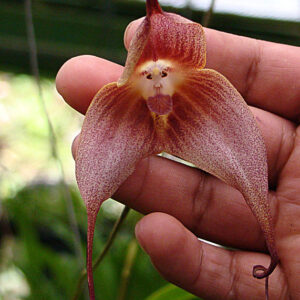
For a different example of why orchid identity matters, see our guide to Dracula orchids. Choosing an orchid that suits your space is usually more satisfying than trying to make every species follow the same routine.
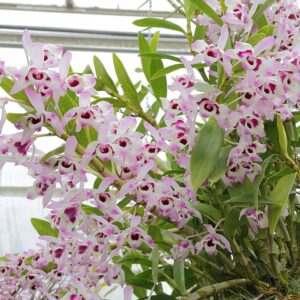
Coelogyne flaccida, another member of the genus, not the same species as the cover. Dalton Holland Baptista, Wikimedia Commons, CC BY-SA 3.0; resized.
Usamos cookies em nosso site para fornecer a melhor experiência de uso, lembrando suas preferências e visitas repetidas. Ao clicar em “Aceitar”, concorda com a utilização de TODOS os cookies.
Este site usa cookies para melhorar sua experiência enquanto você navega pelo site. Destes cookies, os cookies que são categorizados como necessários são armazenados no seu navegador, pois são essenciais para o

funcionamento das funcionalidades básicas do site. Também usamos cookies de terceiros que nos ajudam a analisar e entender como você usa este site. Esses cookies serão armazenados em seu navegador apenas com

o seu consentimento. Você também tem a opção de bloquear esses cookies. Porém, a desativação de alguns desses cookies pode afetar sua experiência de navegação.
Os cookies necessários são absolutamente essenciais para o funcionamento adequado do site. Esta categoria inclui apenas cookies que garantem funcionalidades básicas e recursos de segurança do site. Esses cookies não armazenam nenhuma informação pessoal.
Quaisquer cookies que possam não ser particularmente necessários para o funcionamento do site e sejam usados especificamente para coletar dados pessoais do usuário por meio de análises, anúncios e outros conteúdos incorporados são denominados cookies não necessários. É obrigatório obter o consentimento do usuário antes de executar esses cookies no seu site.