Moss rose brings vivid flowers to sunny pots and low borders without needing the constant moisture that many bedding plants demand. Its main requirements are straightforward: plenty of sun, drainage and watering matched to the soil rather than a rigid timetable.
Meet Portulaca grandiflora
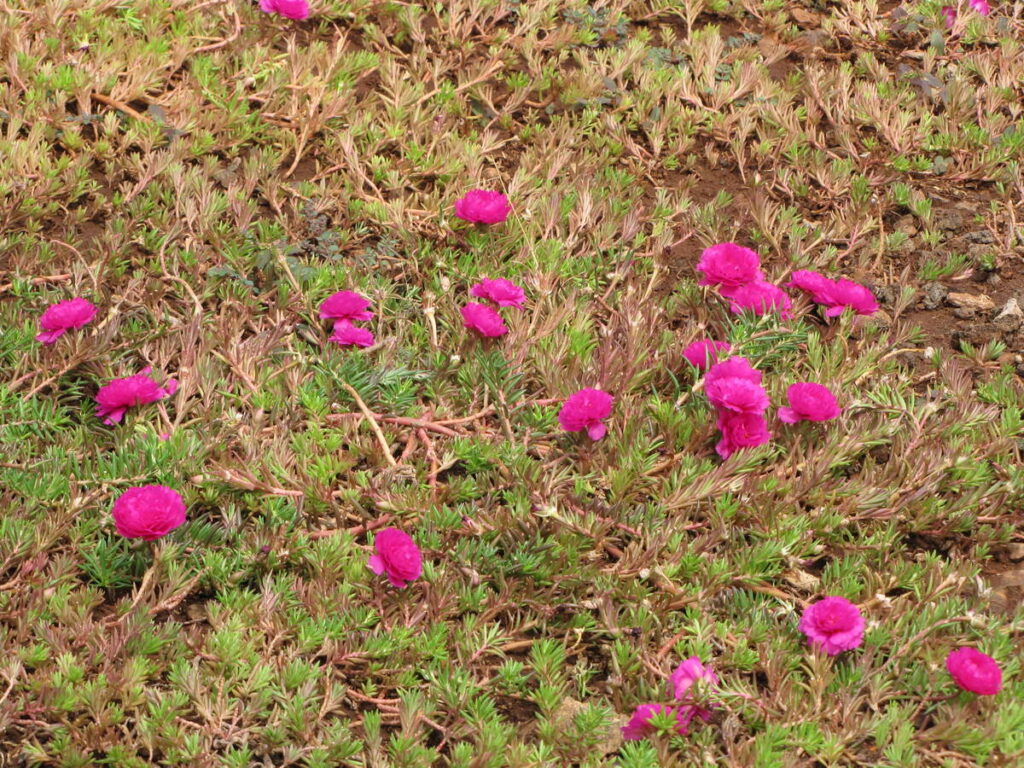
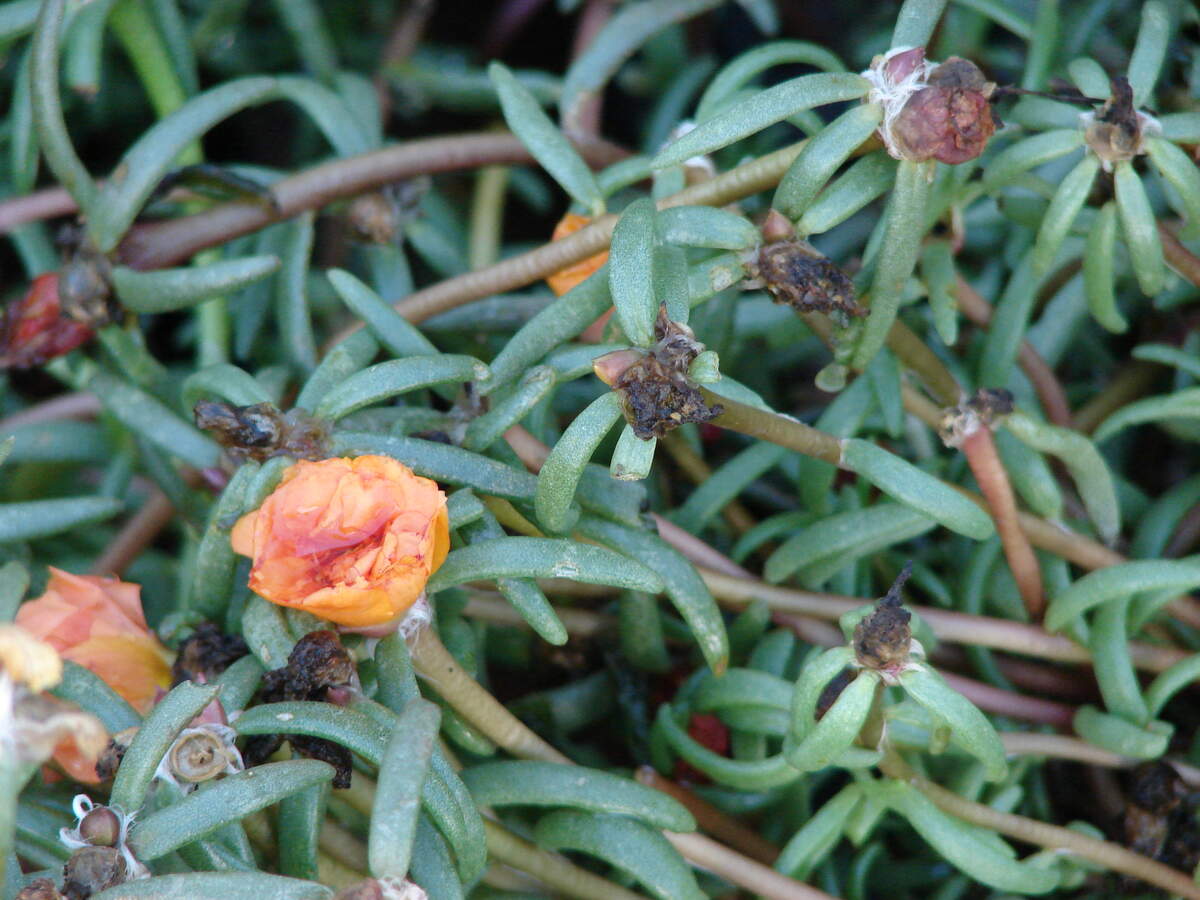
Portulaca grandiflora is a low-growing South American succulent in the Portulacaceae family. Its fleshy, narrow leaves and spreading stems create a small carpet beneath single or double flowers. In Brazil it is called onze-horas, meaning eleven o’clock, but the flowers do not follow an exact appointment.
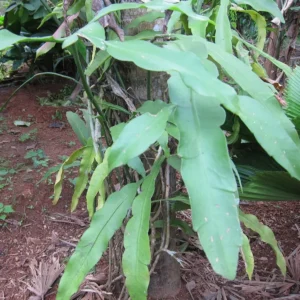
Many flowers open with strong light and close at night or in cloudy weather. Cultivars differ, and some stay open longer. Garden centres also sell related species and hybrids under similar names, so a common name alone does not establish the botanical identity. Broad, flat leaves deserve a closer look rather than an automatic identification as this species.
Where it works best
Choose full sun and well-drained ground. Moss rose suits the front of a border, gravel gardens and the edges of containers or hanging baskets. It can soften the edge of stonework, but is not a substitute for a lawn where people walk. Leave room for its spreading growth and combine it with plants that need similar light and moisture.
Treat it as a seasonal annual rather than promising a permanent display. It tolerates heat and dry conditions well but is frost-sensitive. Where frost occurs, plant after the risk has passed. Local climate and cultivar determine how long the flowering season lasts; year-round flowers are not guaranteed.
Water without keeping the roots wet
A sunny position does not justify permanently soaked soil. Check the potting mix before watering and let surplus water drain freely. In containers, inspect more often during hot weather, but do not water again merely because another day has passed. The plant stores water in its succulent tissues, yet drought tolerance does not mean a newly planted specimen can be ignored.
Avoid a heavy mix that remains waterlogged. A container needs drainage holes, and a bed should not collect runoff. Feeding cannot compensate for poor drainage or lack of sun. There is no reason to impose the same monthly fertiliser recipe on every pot: consider what the potting mix already contains and follow the label of any suitable product.
Both seeds and stem cuttings can be used for propagation. Handle young plants gently and disturb their roots as little as possible when planting out. Start with healthy material and a draining propagation medium; do not assume every broken stem will root successfully. Follow the seed packet for the selected cultivar rather than burying tiny seeds deeply.
After pollination, small seed capsules can form. They open when ripe and can lead to self-sown seedlings. Remove spent flowers if you do not want seeds, and keep the plant within the intended bed or container. Different cultivars need not reproduce the same appearance from collected seed.
When something looks wrong
Closed flowers on a cloudy day need not mean the plant is sick. Persistent weak flowering in a shaded spot calls for a light check. Soft, deteriorating stems in wet ground suggest a drainage problem rather than a need for more water. Aphids and slugs can occasionally occur; inspect the plant and identify the cause before choosing a treatment.
Do not identify edible plants by common names
This is an ornamental growing guide, not a recommendation to eat the plant. In particular, the ASPCA entry headed “Moss Rose” identifies Portulaca oleracea, not P. grandiflora. Its toxicity information should not be silently transferred between species. Keep unidentified plants away from pets that chew foliage and contact a veterinarian if ingestion causes concern.
For a planted wall or sunny container display, also read our vertical garden planning guide: the structure and irrigation must suit the plants, not the other way around.
Usamos cookies em nosso site para fornecer a melhor experiência de uso, lembrando suas preferências e visitas repetidas. Ao clicar em “Aceitar”, concorda com a utilização de TODOS os cookies.
Este site usa cookies para melhorar sua experiência enquanto você navega pelo site. Destes cookies, os cookies que são categorizados como necessários são armazenados no seu navegador, pois são essenciais para o

funcionamento das funcionalidades básicas do site. Também usamos cookies de terceiros que nos ajudam a analisar e entender como você usa este site. Esses cookies serão armazenados em seu navegador apenas com

o seu consentimento. Você também tem a opção de bloquear esses cookies. Porém, a desativação de alguns desses cookies pode afetar sua experiência de navegação.
Os cookies necessários são absolutamente essenciais para o funcionamento adequado do site. Esta categoria inclui apenas cookies que garantem funcionalidades básicas e recursos de segurança do site. Esses cookies não armazenam nenhuma informação pessoal.
Quaisquer cookies que possam não ser particularmente necessários para o funcionamento do site e sejam usados especificamente para coletar dados pessoais do usuário por meio de análises, anúncios e outros conteúdos incorporados são denominados cookies não necessários. É obrigatório obter o consentimento do usuário antes de executar esses cookies no seu site.