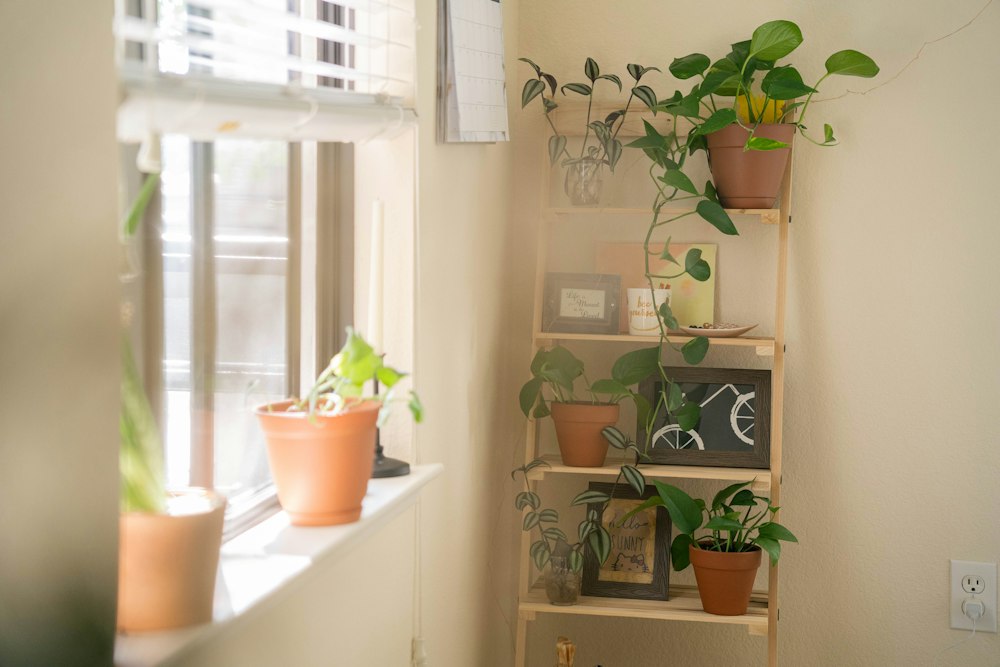
An indoor garden can be a few well-chosen pots by a window or a planted area adjoining the living room. In Brazil, the expression jardim de inverno often describes this kind of space. Here, it means a garden within or connected to the home, not an outdoor border designed for winter interest.
The best starting point is not a shopping list of plants. Decide where the garden will go, observe the light and work out how you will water and reach every pot. A small arrangement that fits daily life is more useful than a beautiful corner that is difficult to maintain.
Start with light, then choose plants
Watch the proposed spot at different times of day. A room that looks bright to us may offer little usable light away from its windows. The University of Minnesota recommends matching plants to the light available, including its duration. Supplemental grow lights can help where daylight is insufficient; a windowless bathroom is not suitable simply because it is humid.
Avoid a universal rule that a north- or west-facing window is best. Hemisphere, season, surrounding buildings and afternoon heat all matter. Select plants after assessing the actual location, rather than moving an unsuitable plant there because its colour matches the furniture.
Plan a garden you can use
In a living room, leave a clear route around the arrangement and room to sit without brushing foliage. In a kitchen, reserve the brightest suitable place for herbs instead of assuming any countertop will work. In an office, keep watering away from sockets and equipment. In a bathroom, check daylight before choosing moisture-loving plants.
For a first project, removable pots are easier to rearrange than a permanent planted bed. A built-in garden, glazed roof or enclosure needs professional assessment of waterproofing, drainage, structural loads and local building requirements. Decorative stones do not replace a drainage system.
Prevent a glazed corner from overheating
A glass enclosure can become much hotter than the adjoining room. RHS guidance for greenhouses emphasises ventilation and shading to limit heat damage. Use a thermometer to learn what happens on sunny days, and plan operable openings and suitable shading before filling the space with plants. Do not assume that adding greenery will cool an unventilated enclosure.
Group compatible plants, not just attractive ones
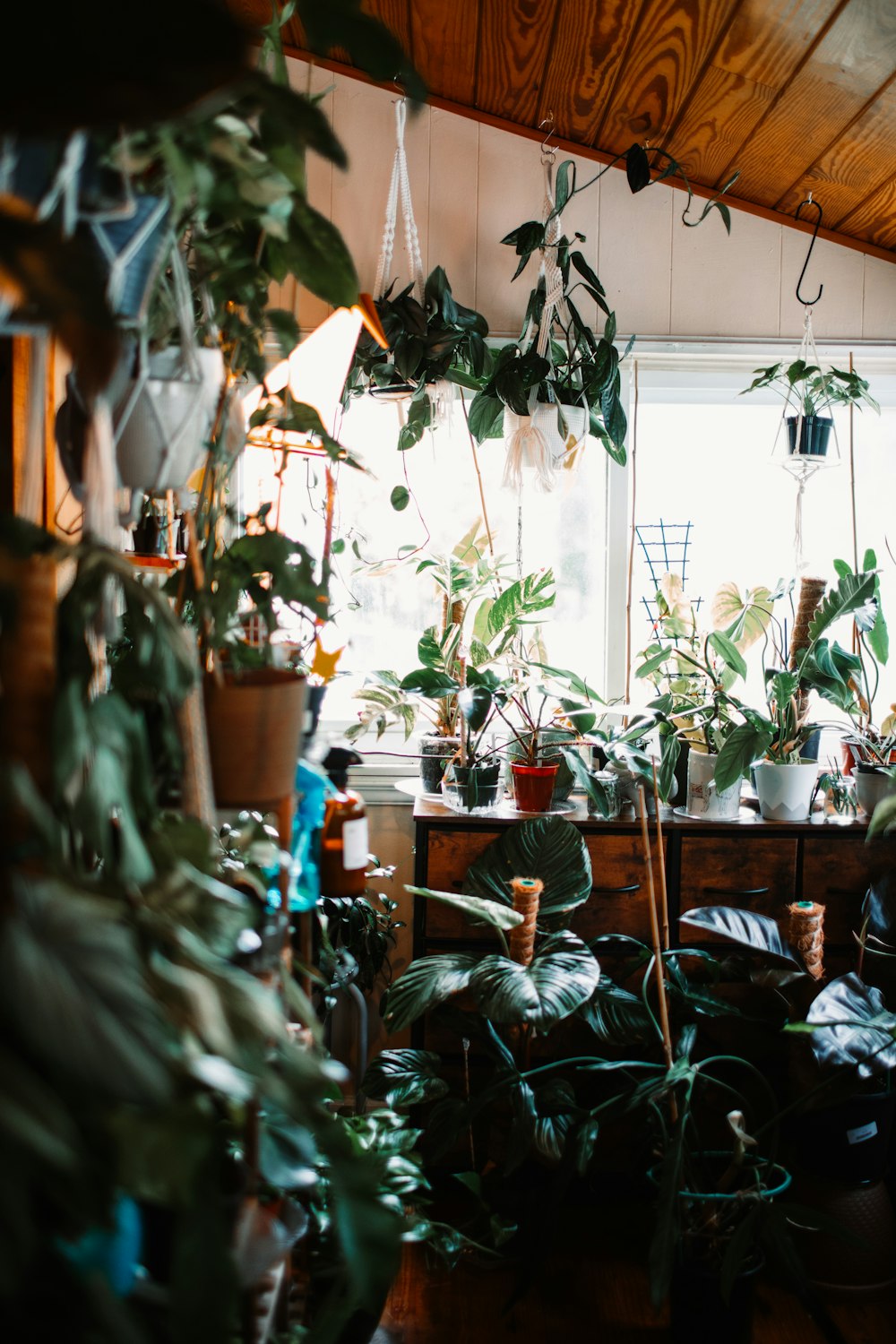
UF/IFAS recommends considering light, water, substrate and mature size together. Ferns and drought-tolerant succulents should not be treated as one watering group. Keeping plants in separate containers lets you adjust care without dismantling the entire display. Use pots with drainage and a growing mix appropriate to each plant.
Build a simple care routine
Check moisture before watering, using the needs of the particular species as your guide. Illinois Extension notes that light, temperature, pot size and growing mix affect how quickly water is used. Water thoroughly when needed, let excess drain and empty the saucer. Wilting alone does not prove a plant is thirsty: overwatering can also cause it.
Keep a short note for each plant: its name, light needs and watering preference. Leave access to inspect leaves, clean the area and remove damaged growth. Review the arrangement as plants grow instead of trying to keep every specimen permanently in its original position.
Enjoy the greenery without air-purifying promises
Plants can be a welcome part of a room, but they are not a substitute for indoor-air management. The US EPA says there is no evidence that a reasonable number of houseplants removes significant quantities of pollutants in homes and offices. Address pollution sources and appropriate ventilation rather than buying plants as air filters.
Sources and photo credits
UF/IFAS: indoor gardens; University of Minnesota: indoor lighting; RHS: ventilation and shading; Illinois Extension: watering; EPA: indoor air quality.
Cover: Sunny Nguyen / Unsplash, resized, under the Unsplash License.