A vertical garden makes room for plants without filling the floor with pots. But the green wall in a photograph hides several decisions: what supports it, where the water goes and how someone reaches the top to maintain it. Start with those questions, not with a list of fashionable plants.
Choose the right kind of vertical garden
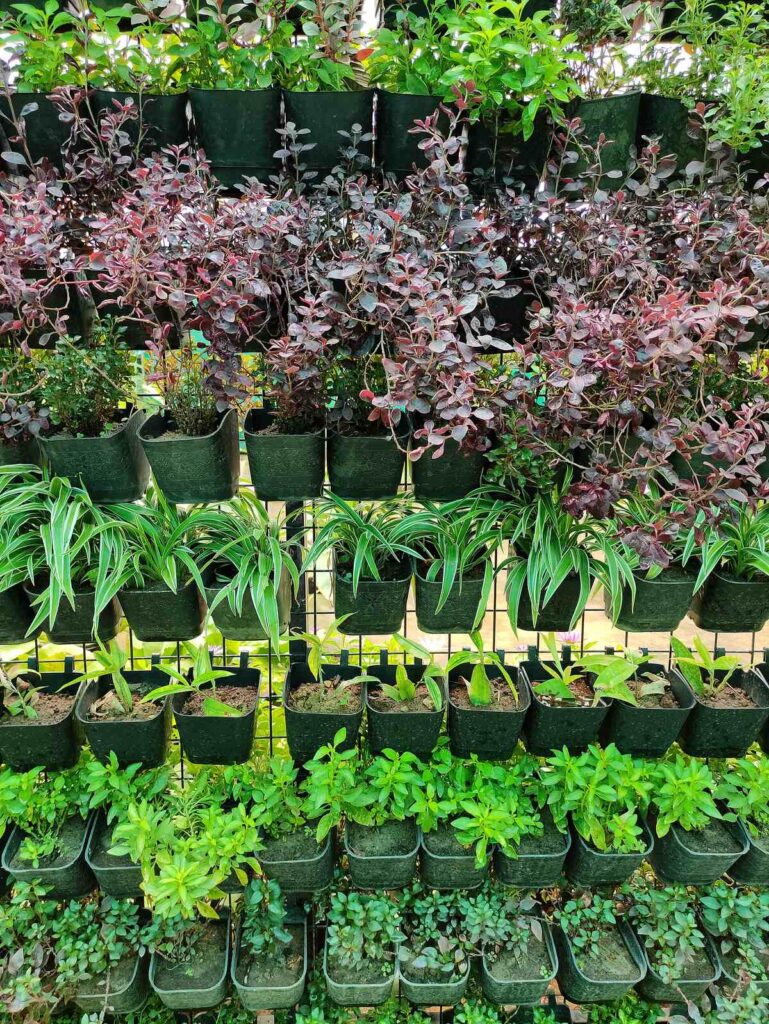
A climbing plant trained on a trellis is not the same as a living wall. In the first case, roots usually remain at the base. In the second, plants grow in containers or modules distributed up the structure. The RHS distinguishes these systems because their installation, irrigation and maintenance needs differ.
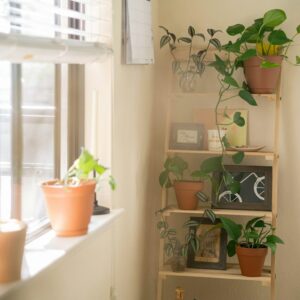
For a small first project, consider a modest arrangement of removable pots on a suitable support. It is easier to replace one struggling plant than to dismantle a densely planted panel. A full-height living wall is a different commitment, especially indoors.
Check the location and the support
Observe sunlight, wind and access before choosing a system. The structure must carry plants, containers and wet growing medium, not merely the empty pots. For a fixed or large installation, have a qualified professional assess the wall, anchors and loads. Follow the system manufacturer’s instructions rather than improvising fixings above a walkway.
Mississippi State University Extension highlights the need to separate growing material from the building with appropriate waterproof protection. Drainage and air circulation also matter. A decorative panel must not conceal a persistent leak, and a loose sheet of plastic is not a complete waterproofing design.
Plan the route of the water
Decide how water will reach each section and where the excess will drain. In modular walls, drip irrigation can distribute water through the planting units, but installation does not eliminate inspection. Check that the upper plants receive water and that the lower ones are not left saturated. Keep the collection area accessible for cleaning.
For individual pots, check moisture according to each species rather than watering every plant on an identical calendar. Illinois Extension notes that light, temperature, container size and substrate change water demand. Let surplus water drain and empty saucers instead of leaving roots standing in water.
Choose plants for the actual conditions
Select plants with compatible light and moisture needs, and check their mature size. RHS examples include thyme for sunny positions and certain ferns for shadier walls, but a species suited to one climate may be unsuitable elsewhere. Do not treat all bromeliads, ferns or succulents as interchangeable. Confirm local suitability before buying.
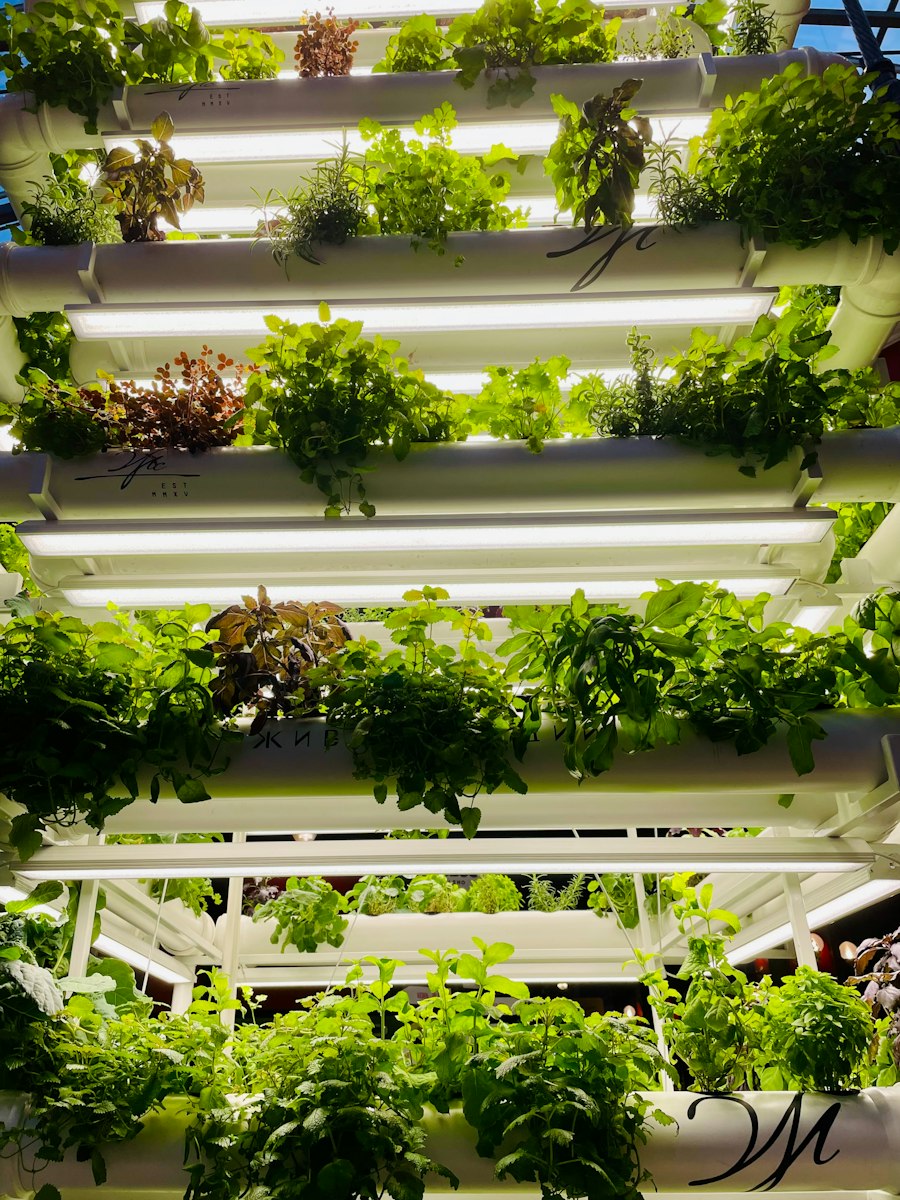
If the aim is a kitchen garden, choose containers large enough for the crop and keep frequently harvested leaves within comfortable reach. An RHS vegetable-wall trial found the upper containers harder to reach and more exposed to drying winds. The practical lesson is to design for harvesting and watering, not just for a full-looking photograph.
Make maintenance part of the design
Leave space to inspect leaves and connections. Keep a simple list of the plants and their care requirements. Trim growth that covers neighbouring plants, and replace a poorly matched specimen after checking light, moisture and roots. Yellow leaves alone are not a reason to add fertiliser. Use nutrients appropriate to the plant and system, following the product label.
If your installation depends on a pump, timer or grow lights, include checks of that equipment in the routine. Agree who will look after it when you travel. It is better to begin with one manageable section than to install a wall whose maintenance you cannot sustain.
What benefits can you realistically expect?
The Australian government’s Your Home guide explains that planted façades can reduce surface heating through shade and evapotranspiration. That does not make every small decorative panel an air conditioner, nor guarantee lower bills or soundproofing. Results depend on the installation and building.
Indoors, do not buy a wall of ordinary pots as an air purifier. The EPA says a reasonable number of houseplants has not been shown to remove significant quantities of pollutants in homes and offices. For a simpler indoor arrangement, see our indoor garden planning guide.
References
RHS: green walls; Mississippi State University Extension: wall systems; RHS: vegetable-wall trial; Your Home: green roofs and walls; Illinois Extension: watering; EPA: indoor air quality.
Cover: Vis M / Wikimedia Commons, CC BY-SA 4.0, resized.